Human-grade raw materials processed via advanced sublimation technology to preserve critical bioavailability for high-density urban pet populations.
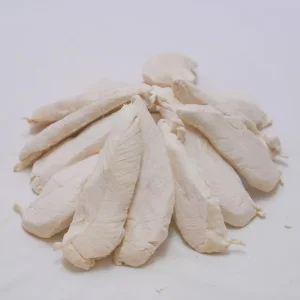
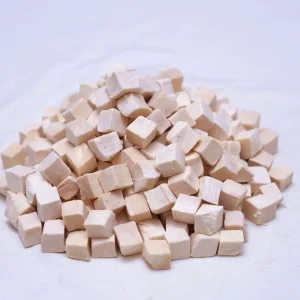
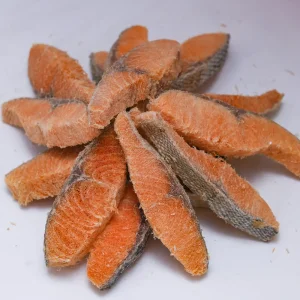
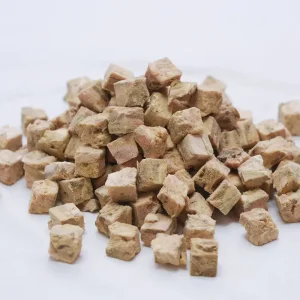
As the commercial heart of the Kansai region, Osaka represents one of the most sophisticated and high-yield pet retail sectors globally. Due to deep-seated urbanization, compact residential living (predominantly high-rise apartments), and a rapidly aging human and pet demographic, pet ownership styles in Osaka are unique. Consumers demand hyper-convenient, low-waste, highly nutritious, and low-odor formulations.
Freeze-dried pet food has emerged as the premier category to satisfy these needs. By locking in nutrients through low-temperature vacuum sublimation, it offers the shelf-life of dry kibble with the bioactive availability of raw feeding. For Osaka-based pet food distributors, finding a certified, high-capacity manufacturer is essential to maintaining stable inventory amidst volatile logistics and highly strict quarantine standards imposed by Japan’s Ministry of Agriculture, Forestry, and Fisheries (MAFF).
Any product exported to Osaka must conform strictly to the Law Concerning the Safety Assurance of Pet Food (Pet Food Safety Act, Law No. 83 of 2008). Our manufacturing lines feature complete traceability from raw farm meat to the finalized vacuum-sealed export cartons.
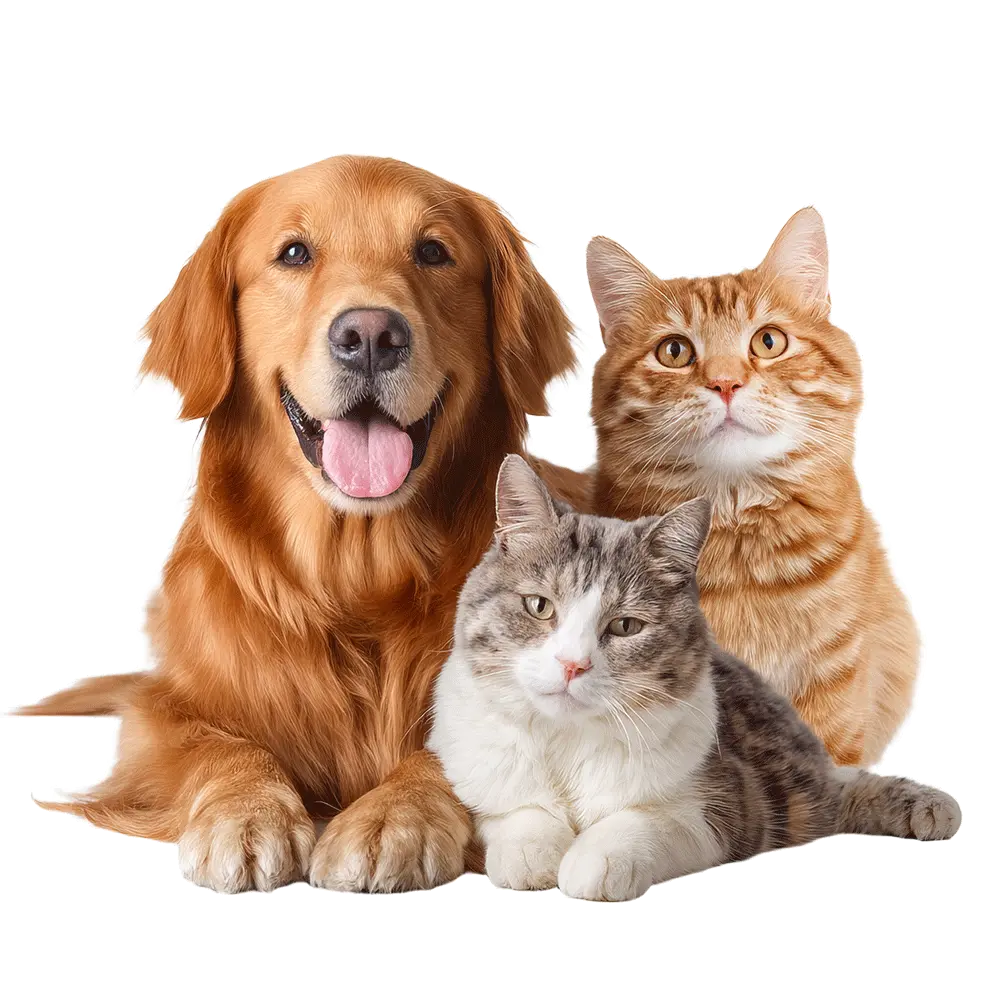
Analyzing macro-economic factors steering pet owners from raw wet diets to premium stable freeze-dried proteins.
The global pet food industry is undergoing a structural transition toward "pet humanization." Pet owners no longer view their companion animals as mere domestic beasts but as core family members. This shift drives demands for "clean-label" formulations, grain-free alternatives, single-protein sources, and foods free of synthetic preservatives.
According to recent industry forecasts, the global freeze-dried pet food market is growing at a CAGR of over 10.4%, with East Asia (specifically Japan and South Korea) pacing as the fastest-growing regional hub. Large-scale retail chains in Osaka, Kyoto, and Kobe require robust OEM/ODM partnerships that can deliver massive, uniform runs of single-ingredient meats (duck, chicken, cod, quail) that appeal directly to discerning pet parents.
How our advanced manufacturing system protects vital amino acids, vitamins, and cellular integrity during vacuum processing.
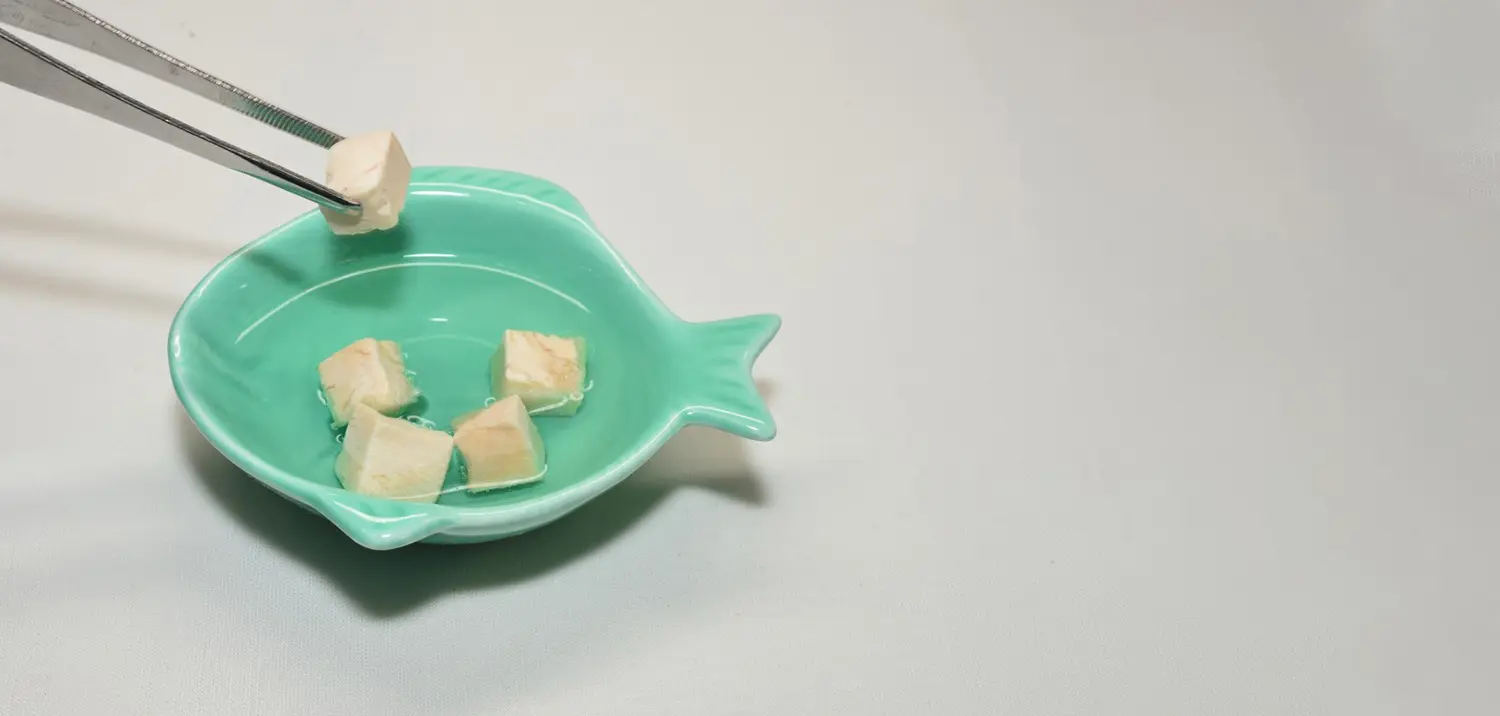
Traditional high-heat extrusion (kibble production) degrades up to 50% of the natural vitamins and alters the molecular structure of amino acids. Our manufacturing protocol utilizes a multi-stage thermal sublimation profile:
The resulting freeze-dried cubes rehydrate in seconds when warm water is added, providing an authentic "fresh raw meat" experience that is highly beneficial for elderly domestic pets who struggle with hard foods.
Understanding how different end-users utilize freeze-dried proteins in typical Japanese urban environments.
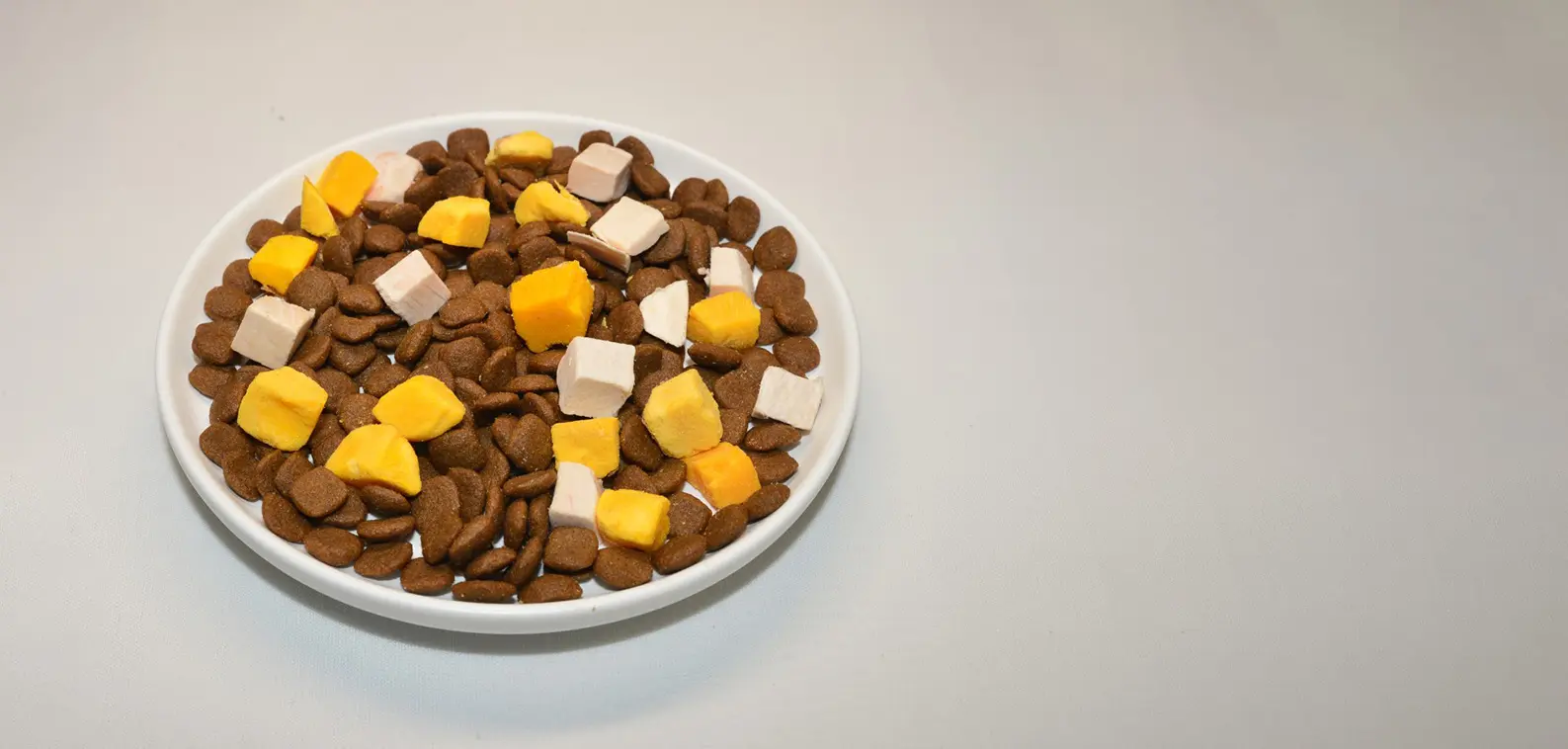
Due to space constraints in Osaka apartments, smaller toy breeds (Chihuahuas, Toy Poodles) dominate. Pet owners prefer freeze-dried toppers to augment dry kibble, enhancing palatability without requiring refrigeration or producing offensive kitchen odors.
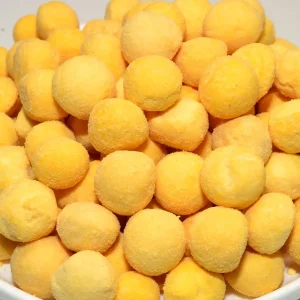
Osaka’s famous dog and cat cafes require hygienic, pre-portioned, mess-free treats that customers can feed directly to animals. Our freeze-dried meat granules and sticks provide safe, crumb-free experiences that maintain café cleanliness.
Unlike other manufacturers who operate domestic brands and compete directly with their wholesale clients for market share, Gaga Pet Food Co., Ltd. is strictly an OEM/ODM provider. We do not sell retail. All our R&D, processing power, and logistics coordination are dedicated to empowering *your* brand's market expansion.
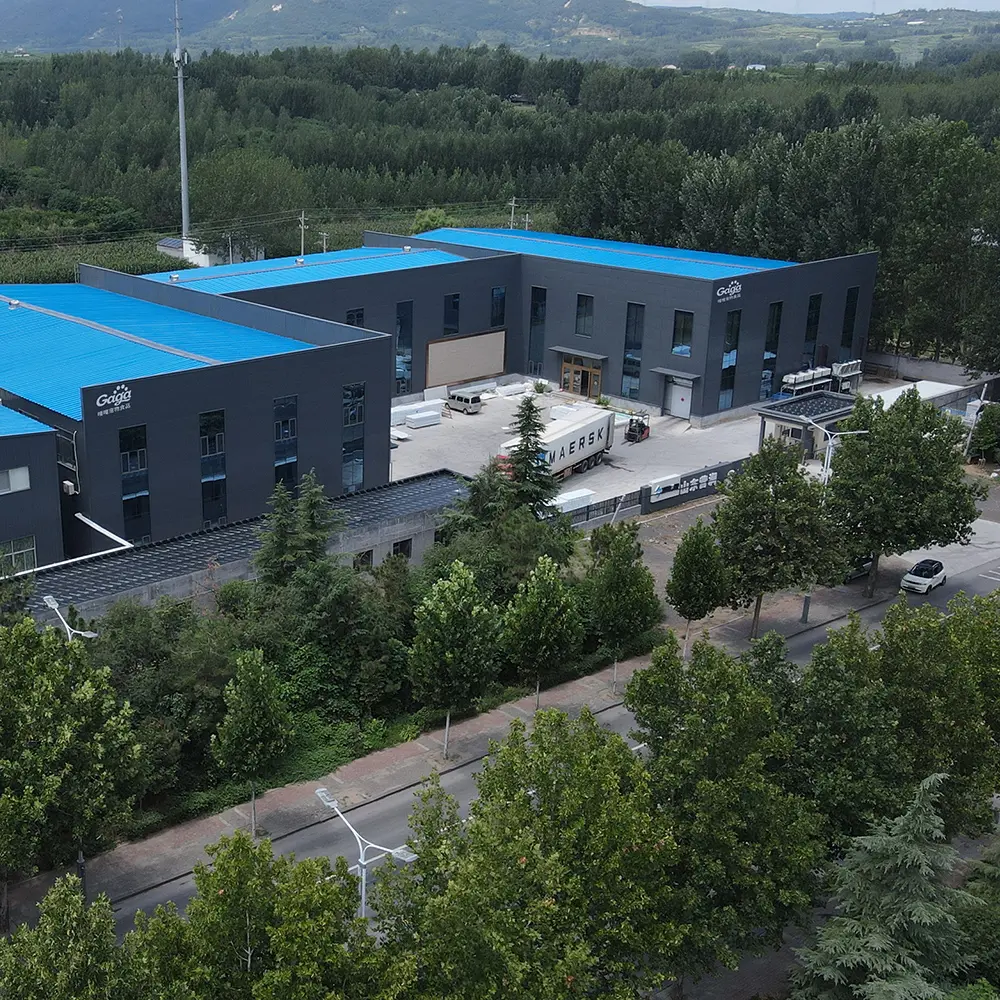
Based in Rizhao, Shandong, we enjoy proximity to premium seafood ports and agricultural centers, keeping raw material procurement costs low. We pass these savings directly to our partners in Osaka and across the globe.
Rich Product Range: Over 100 varieties of freeze-dried foods designed to appeal to cats, dogs, rabbits, and exotic pets.
Stable Production Capacity: An annual capacity exceeding 2,000 metric tons ensures your seasonal promotions never run dry.
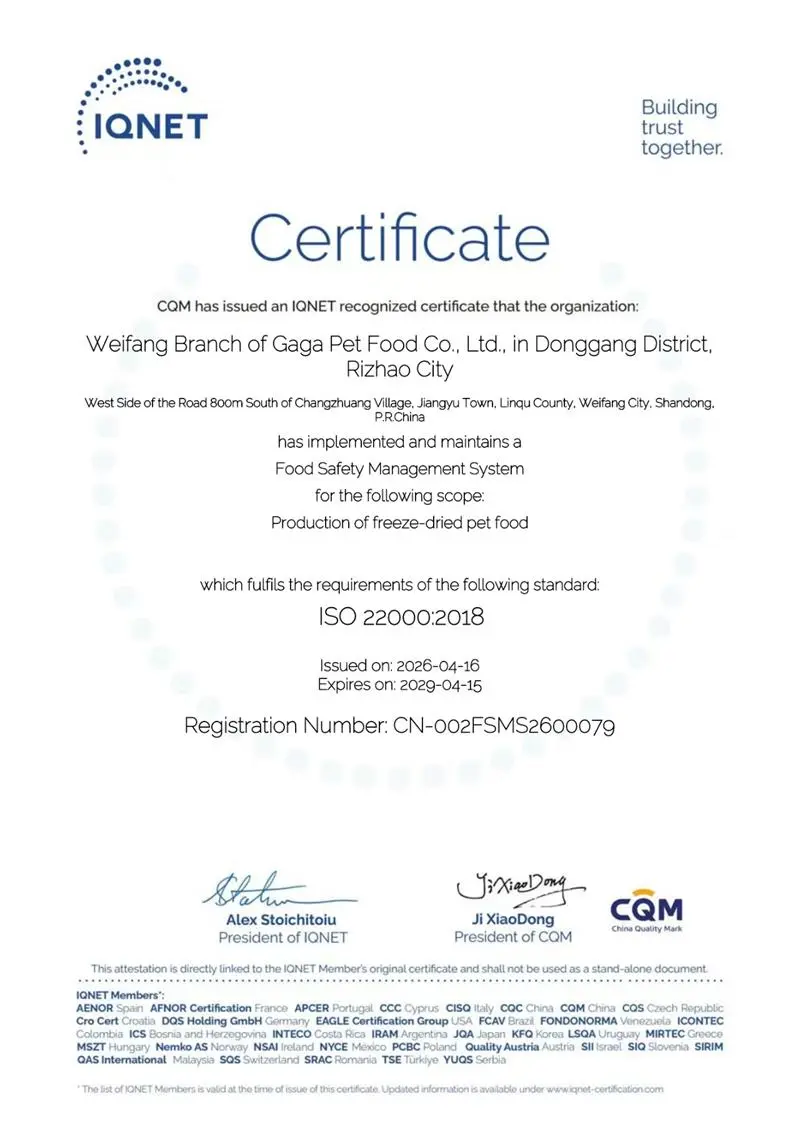
Global Quality Standards: FDA certified facilities with strict adherence to HACCP guidelines.
A streamlined, risk-mitigated process from initial concept to customs clearance at Osaka Port.
We consult with your team regarding specific ingredient declarations, packaging designs, and targeted retail price points in the Japanese market.
Our lab designs trial batches using targeted proteins (e.g. single-source duck or cod) to match the preferences of Japanese pet parents.
We source food-grade, nitrogen-flushed packaging materials that guarantee oxygen barriers, vital for maintaining texture in Osaka’s humid summers.
Within 10 days, samples are dispatched to Osaka for local palatability testing and physical checks.
Utilizing our 6 vacuum freeze-drying lines, we initiate run-cycles maintaining rigorous batch consistency.
Samples from every batch are tested for Salmonella, E. coli, and heavy metals. Certificates of Analysis are generated before cargo release.
We coordinate documentation required for smooth clearance through Japanese Customs and Animal Quarantine Services.
We track local consumer feedback in Osaka and plan next-generation product iterations based on market response.
Strict process management aligning with USDA, FDA, and European Pet Food Industry Federation (FEDIAF) guidelines.
At Gaga Pet Food Co., Ltd., quality is not a marketing claim; it is an engineered parameter. Our production cleanrooms feature HEPA filtration systems to eliminate airborne biological vectors. We operate under strict Hazard Analysis Critical Control Point (HACCP) regimes, monitoring pasteurization parameters, vacuum stability, and moisture content with micro-meter precision.
Our raw protein inputs are sourced exclusively from farms certified by inspection bodies, ensuring no chemical residues, hormones, or unnecessary antibiotics enter the supply chain. This thorough approach ensures that Osaka distributors receive product batches that easily clear the rigorous quarantine barriers at the Port of Osaka.
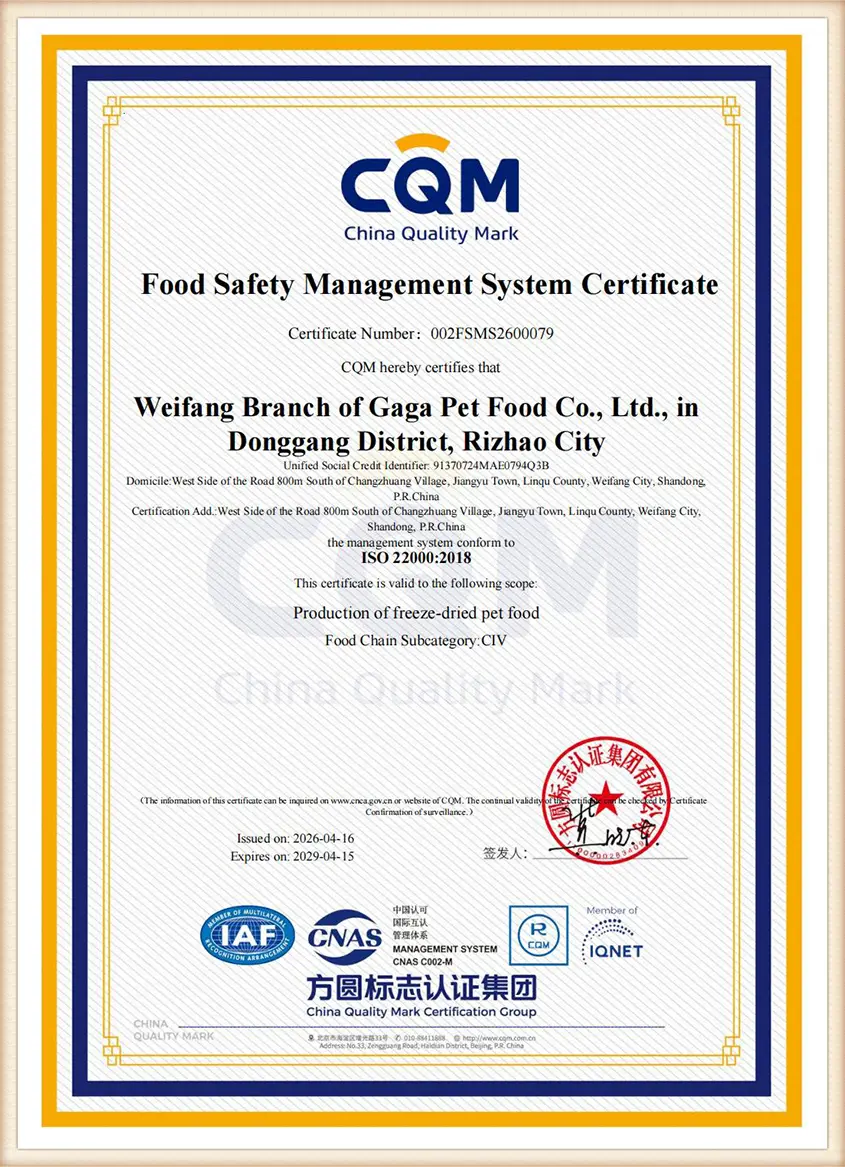
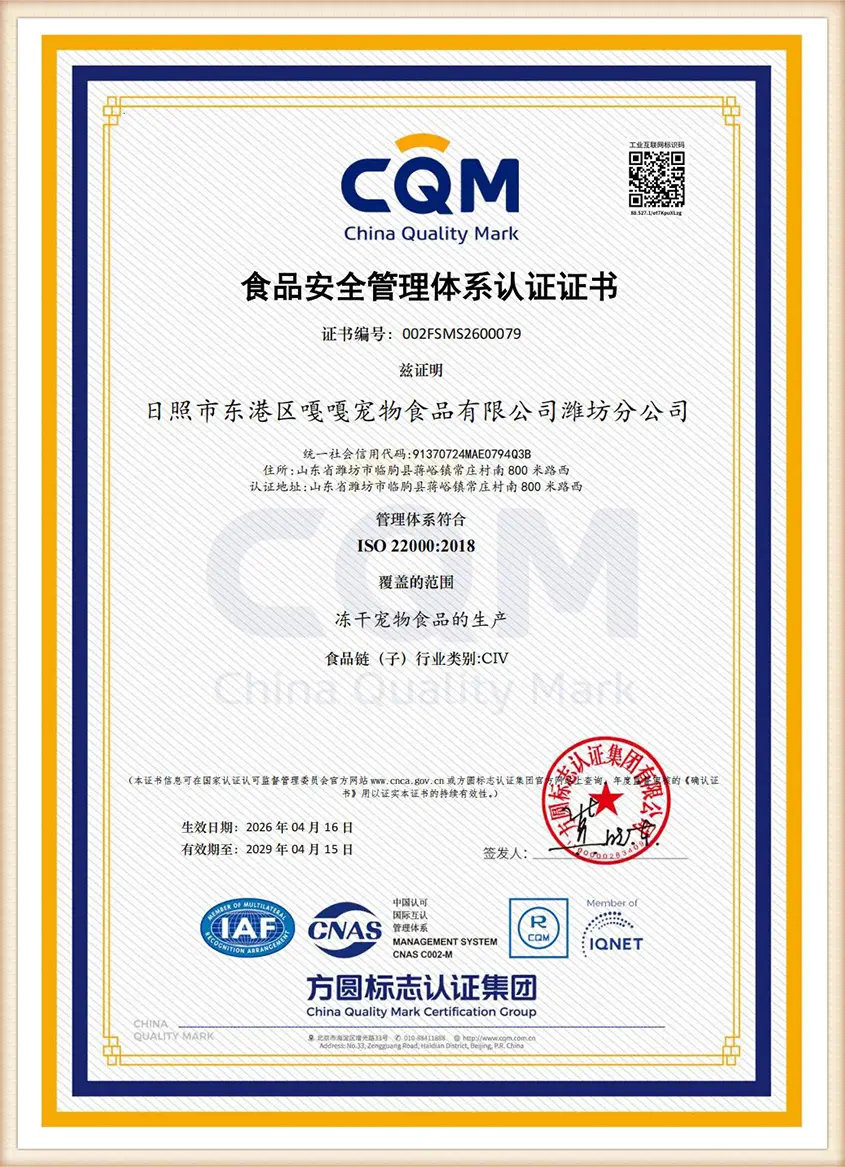
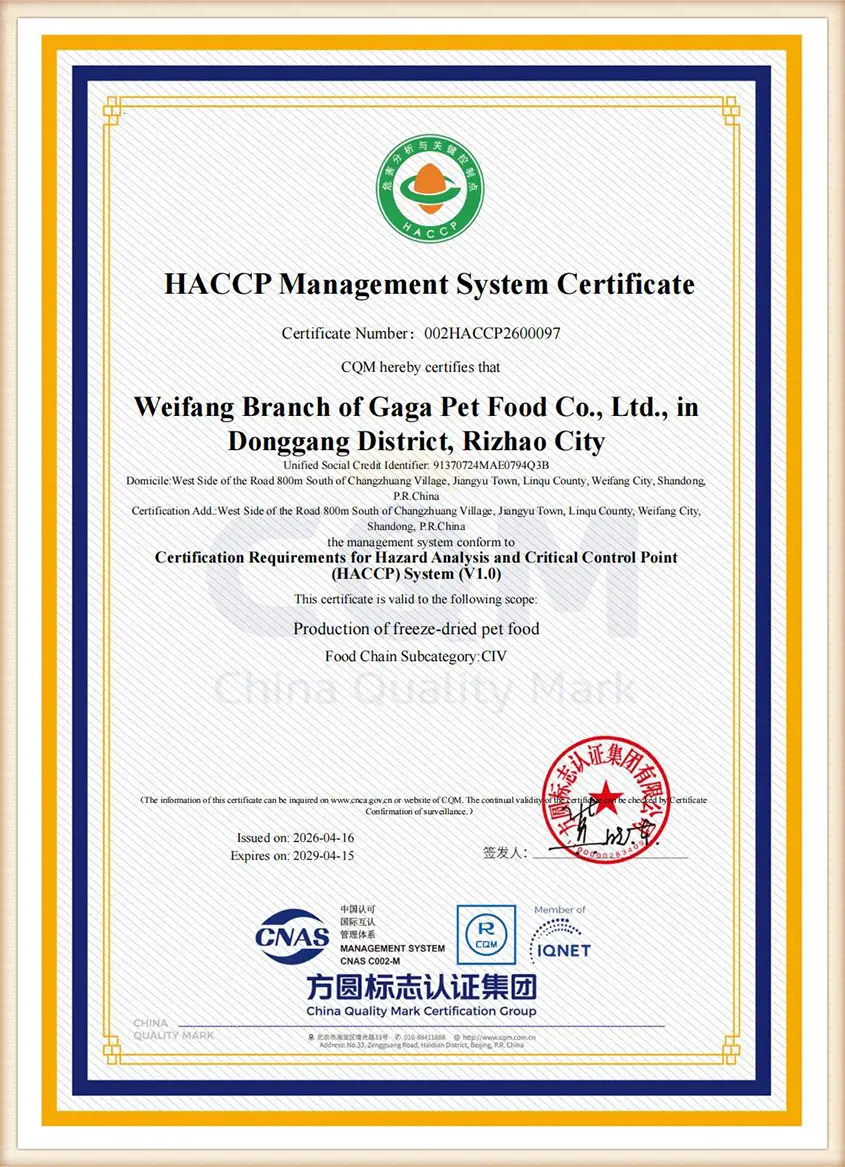
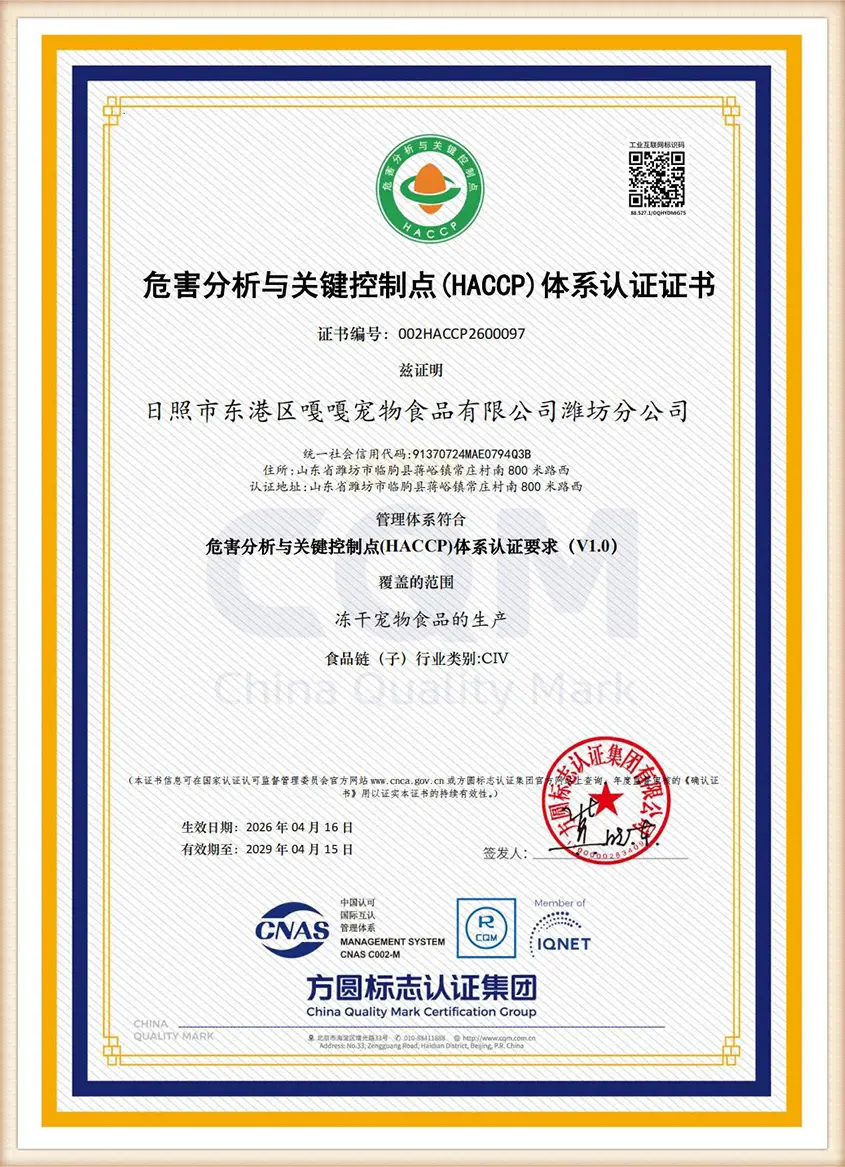
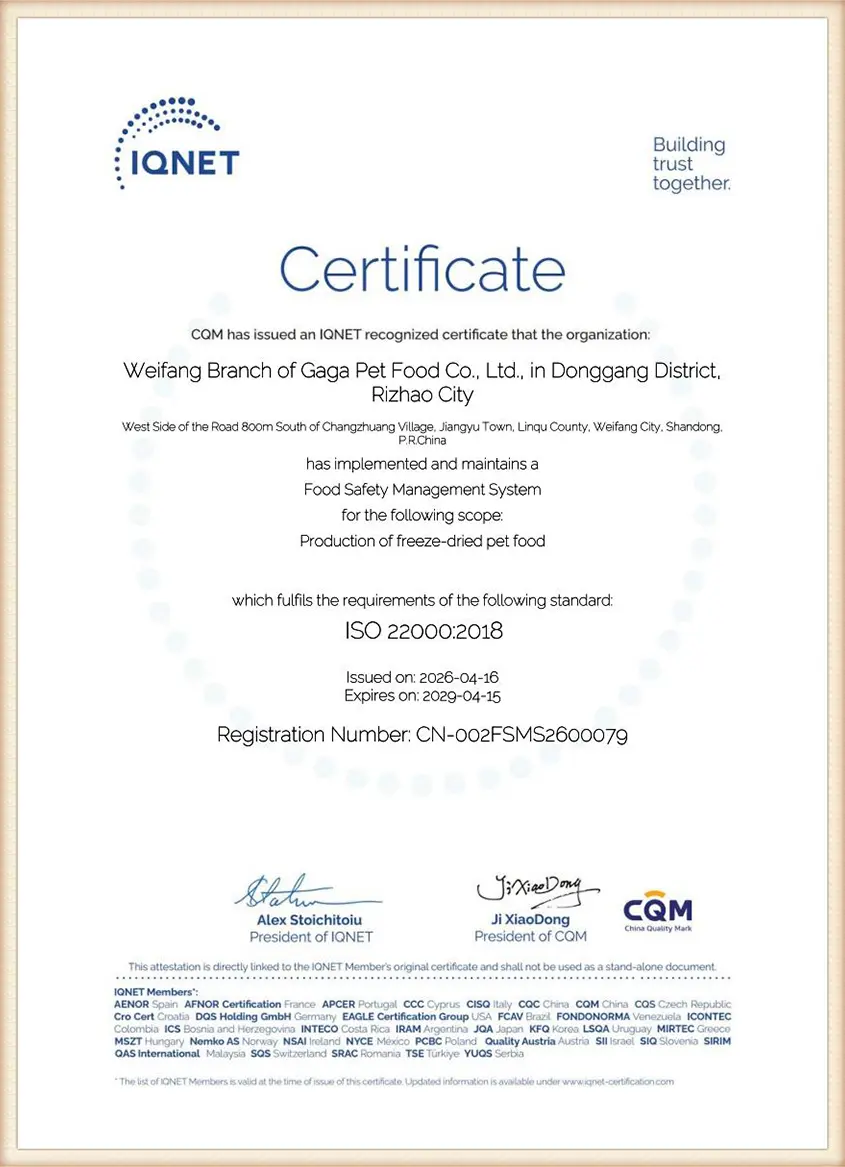
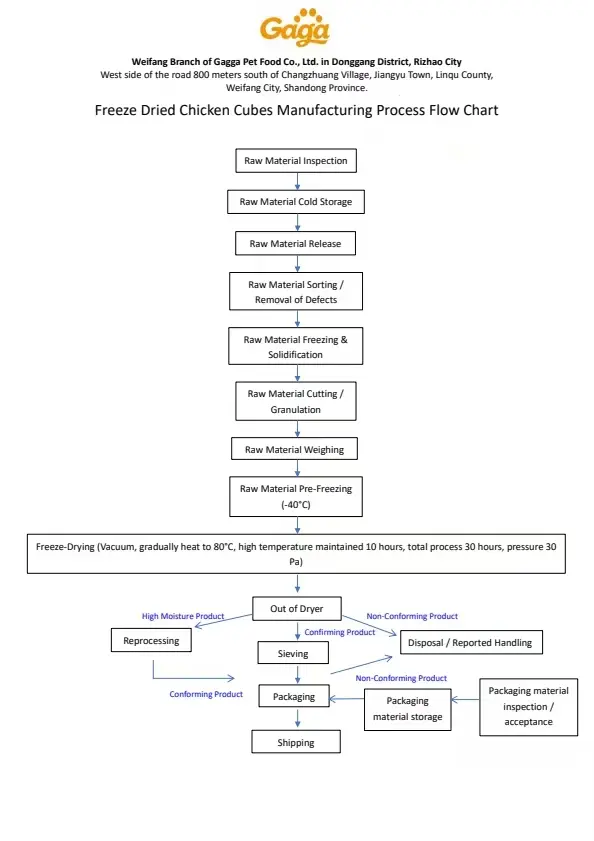
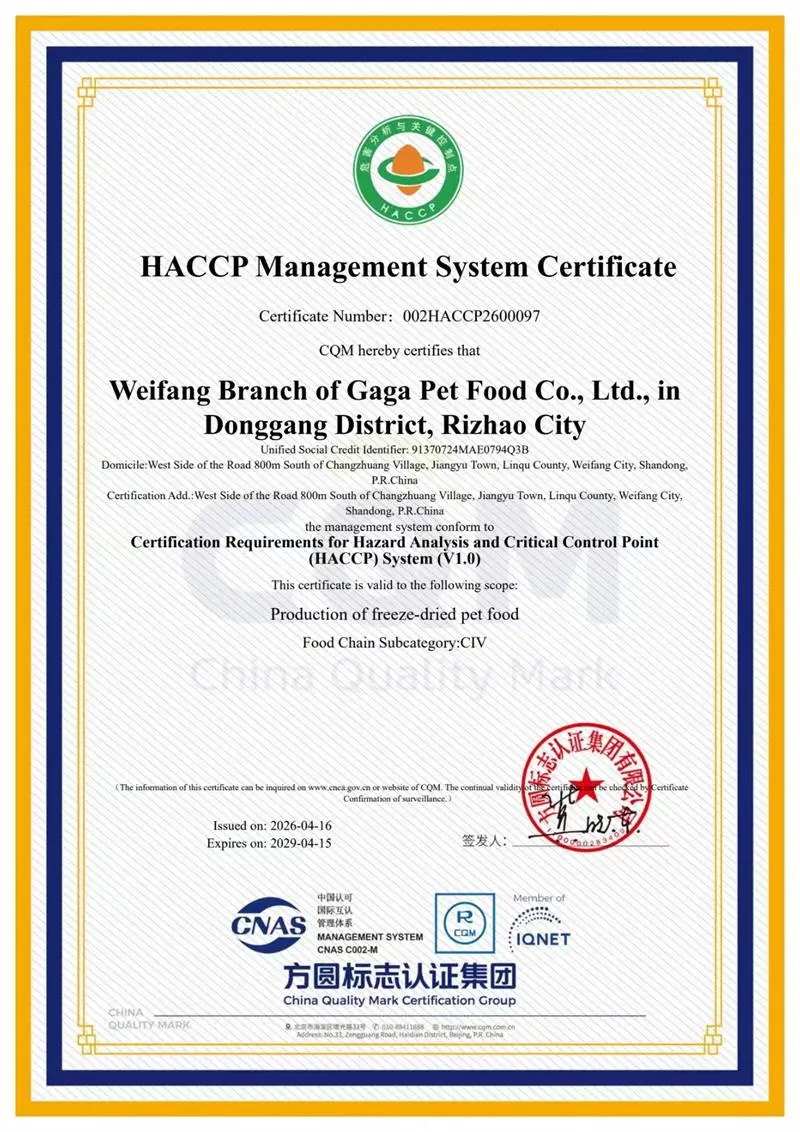
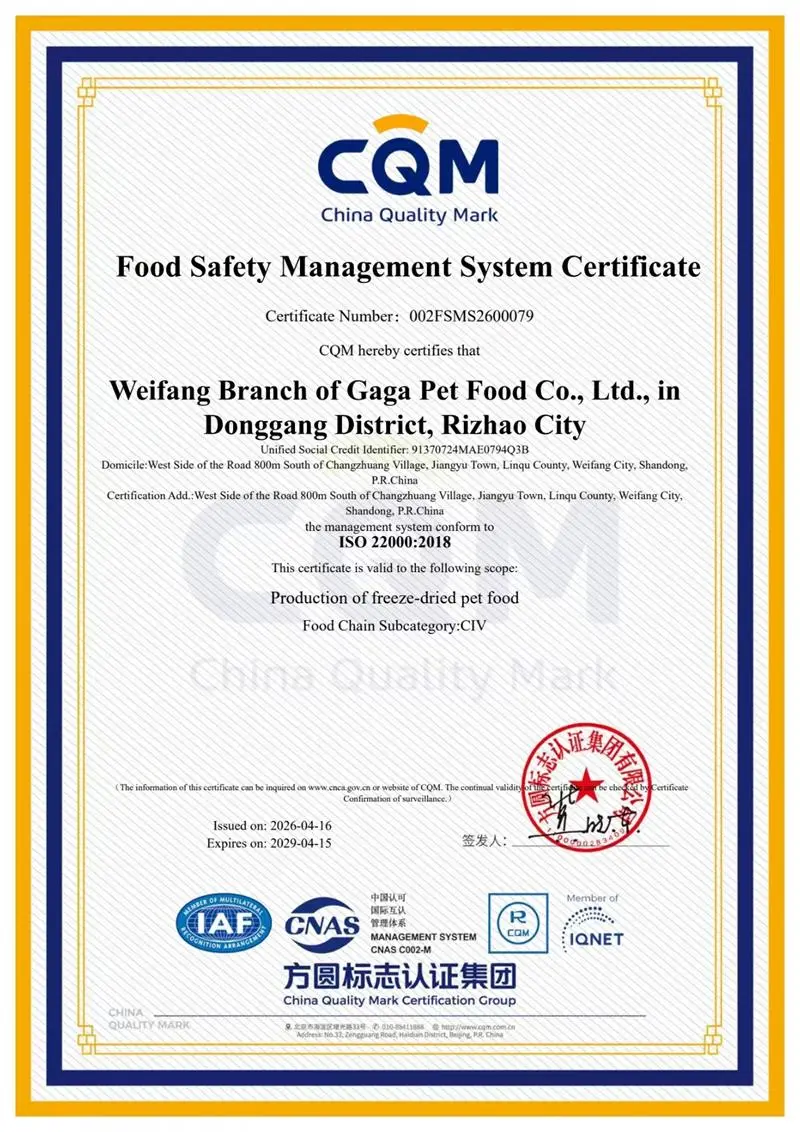
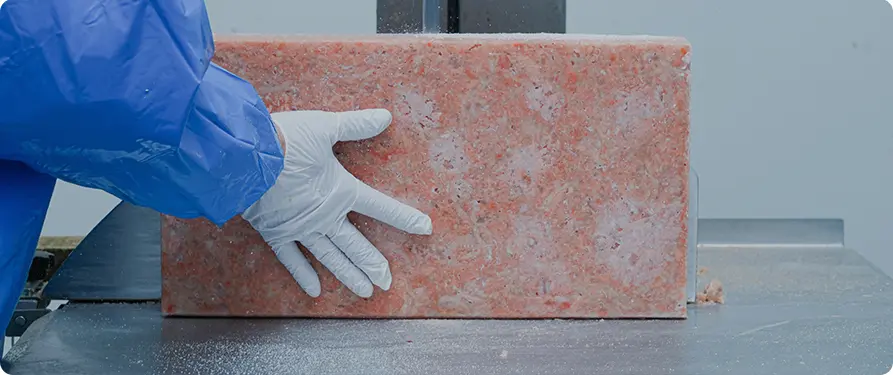
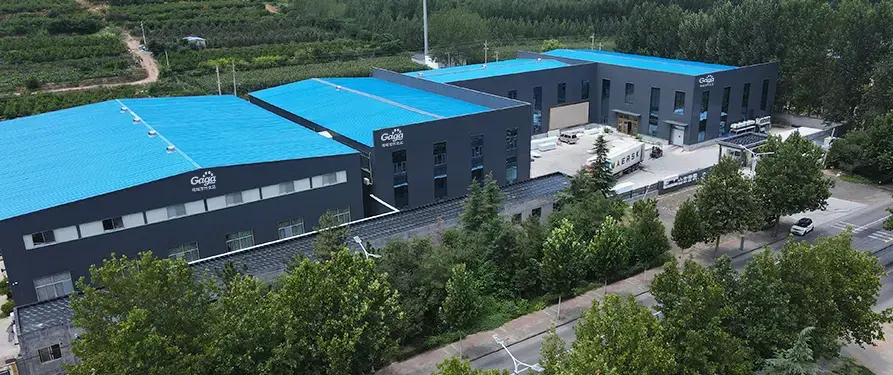
Transparency is key to trust. A glance inside our facilities showing hygienic handling and processing.
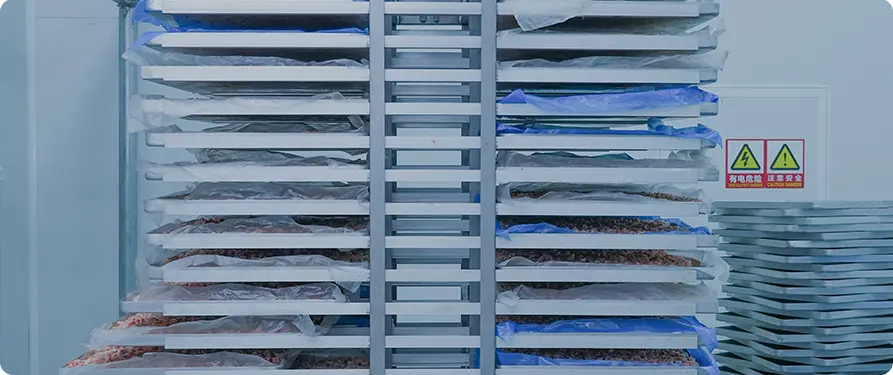
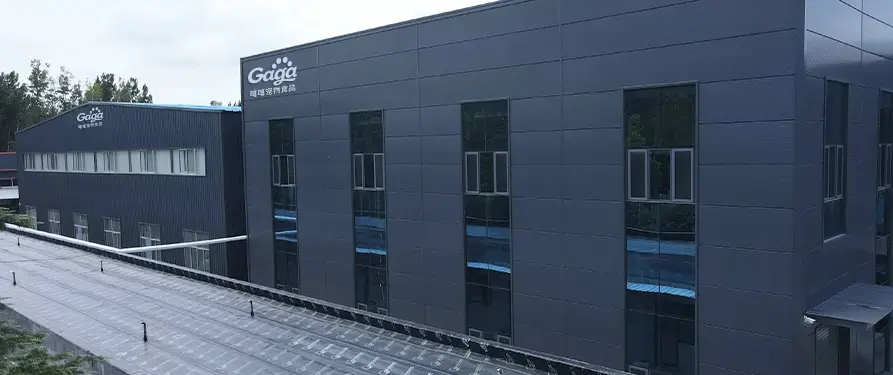
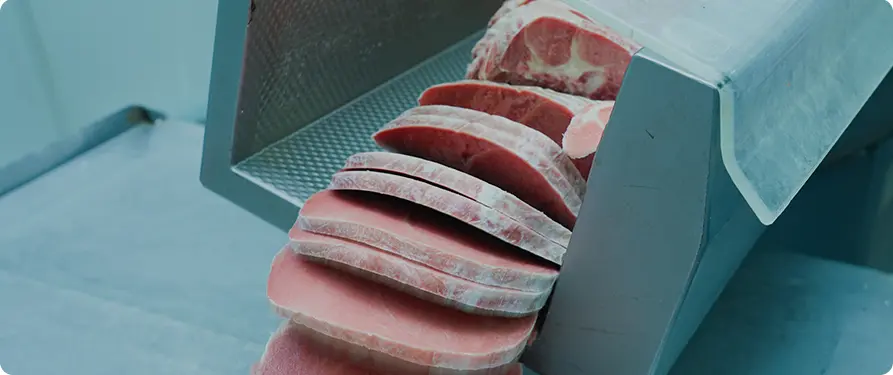
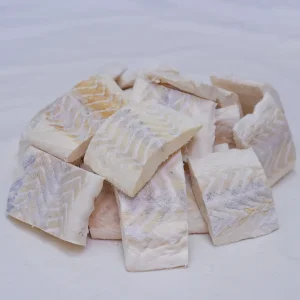
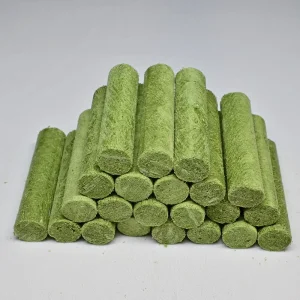
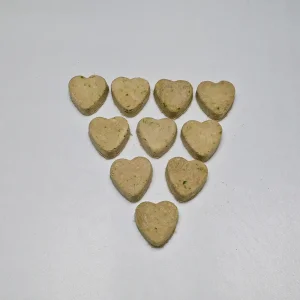
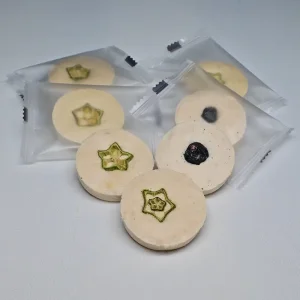
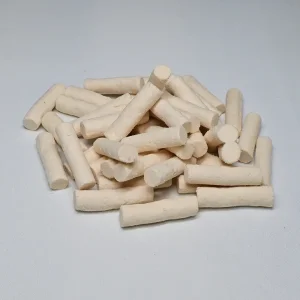
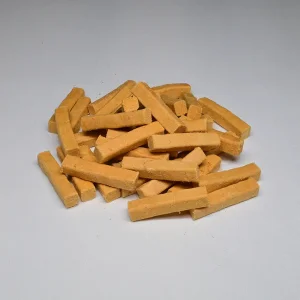
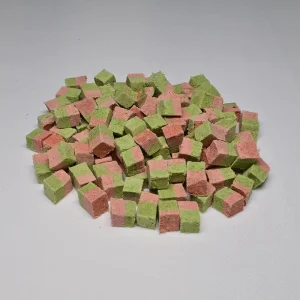
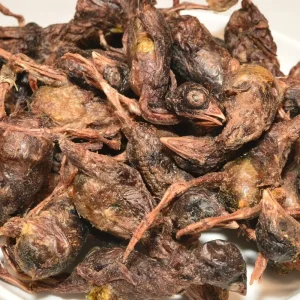
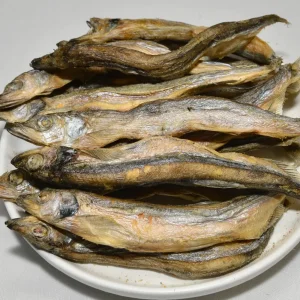
Every formula can be customized for weight, shape, and recipe ratio. Retaining all authentic registration links.
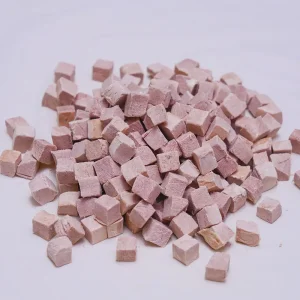
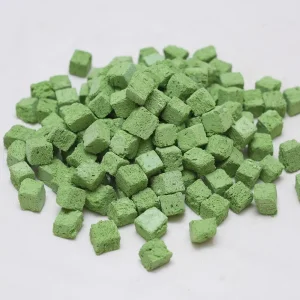
Key operational concerns cleared up by our logistics, regulatory, and production engineering departments.
A: Our factories are fully FDA registered and operate under third-party certified HACCP and ISO 9001/22000 Quality Management Systems. For exports to Japan, we comply with the "Pet Food Safety Act" administered by the Ministry of Agriculture, Forestry and Fisheries (MAFF) and the Ministry of the Environment. All health certificates, certificates of origin, and microbiological reports are prepared and sent along with the shipping documentation for quick processing at the Port of Osaka.
A: Yes. We operate a dedicated OEM/ODM service. We can modify shapes into standard cubes, tablets, strips, or custom molds. Formulas can be adjusted to include nutritional supplements (e.g., goat milk, spinach, pumpkin, green-lipped mussel, or probiotics) to target specific health benefits, such as digestive health or joint support.
A: Due to the high humidity in Osaka during the summer months, we package our products using high-barrier, food-grade PET/AL/PE bags flushed with nitrogen. When kept in sealed, cool, dry conditions, our freeze-dried meats maintain nutritional value and taste for up to 18 to 24 months. Once opened, they should be stored in airtight containers to prevent moisture absorption from the air.
A: The MOQ depends on the chosen raw materials and packaging specifications. For standard single-ingredient meats (like freeze-dried chicken cubes) in bulk packaging, our MOQ starts lower to help brand owners enter the market with minimal risk. For custom printed packaging runs, the MOQ is determined by the packaging manufacturer's run sizes, usually around 5,000 to 10,000 bags. Contact our team to discuss customized pathways for your brand's stage.
A: We employ strict sanitization processes between batches. Our facility runs clean-in-place (CIP) and physical cleaning protocols. If a brand orders a hypoallergenic formula (e.g., 100% single-protein duck), the production cycle is scheduled after a deep clean of the processing lines. We run PCR testing on environmental swabs to check for potential cross-contamination.
 GAGA
GAGA