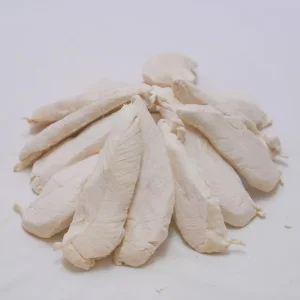
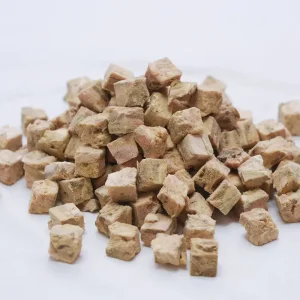
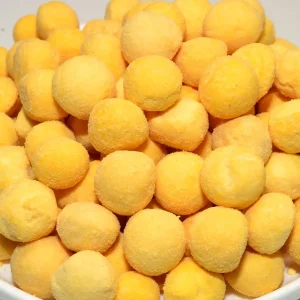
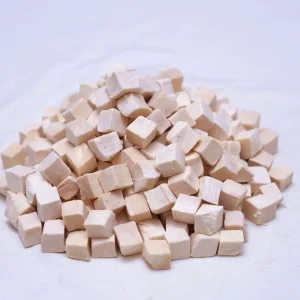
Premium clean-label treats and nutrient boosters manufactured under international quality control protocols.
In the contemporary pet nutrition landscape, the demand for clean-label, minimally processed, and biologically appropriate ingredients has moved from a premium niche to a global market standard. Among these, grass-fed beef organs (including liver, heart, kidneys, and spleen) represent the pinnacle of micronutrient density. Sourcing raw materials that meet strict pastoral, animal welfare, and veterinary inspection standards requires a sophisticated and integrated global supply chain.
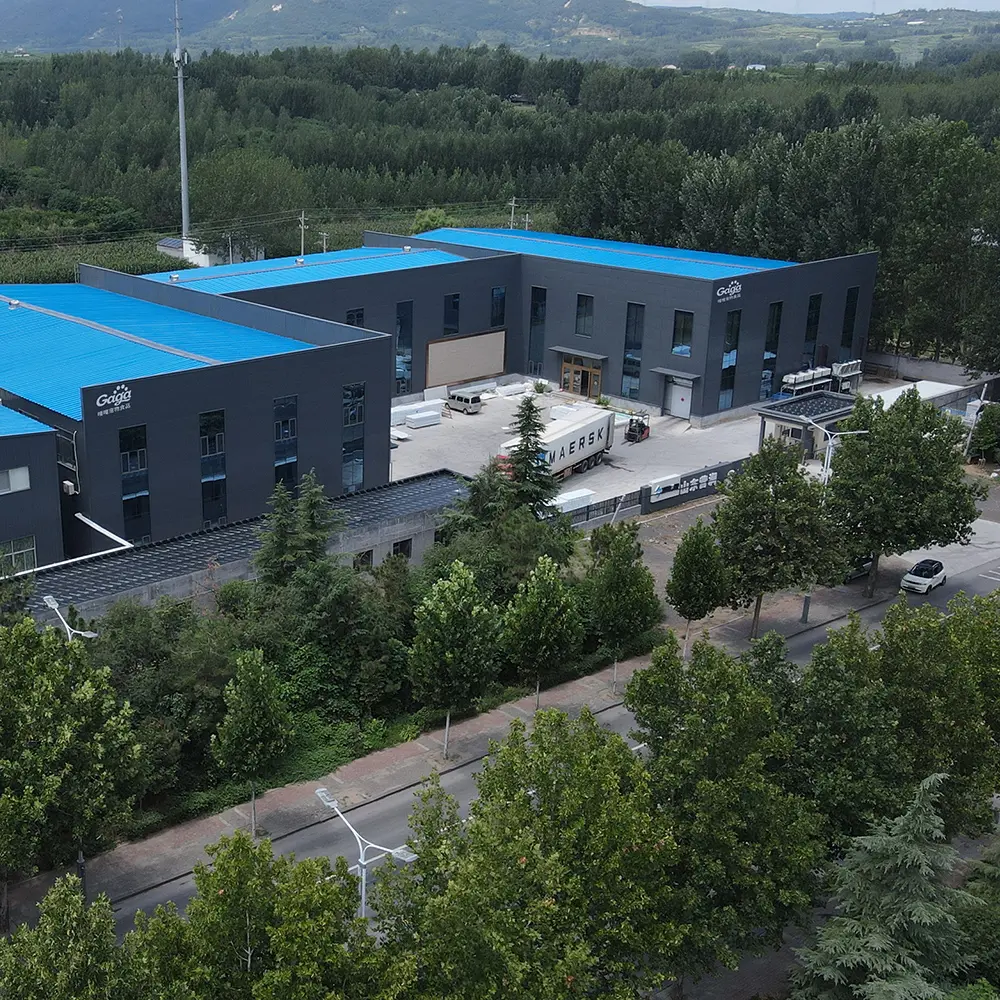
GAGA Pet Food Co., Ltd., based in Rizhao, Shandong Province, acts as a primary manufacturing hub for international brands looking to capitalize on the benefits of grass-fed organ treats. Operating with over 10 years of R&D expertise, we bridge the gap between pasture traceability and advanced vacuum freeze-drying engineering.
By bypassing traditional heat processing methods, we preserve up to 97% of the original heat-sensitive vitamins, essential trace minerals, and enzymatic pathways. This scientific document serves as an industry whitepaper examining the structural biological benefits of grass-fed beef organs, manufacturing practices in China, and how suppliers integrate these ingredients into functional commercial lines.
Why grass-fed organs outperform grain-fed counterparts in micro-nutrient bio-availability.
Unlike synthetic vitamin premixes or plant-based carotenoids, grass-fed beef liver delivers preformed Vitamin A. This biological compound is directly utilized by feline and canine ocular systems, skin cells, and mucosal immune barriers without requiring taxing enzymatic conversions.
Beef heart is an exceptional natural reservoir of Taurine and Coenzyme Q10 (ubiquinone). These crucial compounds promote cardiac cell efficiency, improve mitochondrial energy transfer, and mitigate oxidative damage in senior and working dogs.
Organs provide organic heme iron bound to globulin proteins, showing absorption rates 2-3 times higher than inorganic sulfates or oxides. Coupled with B12, it supports red blood cell production and metabolic vitality.
| Organ Type | Primary Active Nutrients | Biological Target (Pet Health) | Grass-Fed Sourcing Advantage vs Grain-Fed |
|---|---|---|---|
| Beef Liver | Preformed Retinol, Copper, Vitamin B12, Folic Acid | Vision, Cellular Detoxification, Hemoglobin Synthesis | Significantly higher levels of fat-soluble vitamins & balanced Omega-3:6 ratios. |
| Beef Heart | Taurine, Coenzyme Q10, Collagen Peptides, L-Carnitine | Cardiovascular Stability, Connective Tissue Integrity | Higher concentration of clean cellular proteins, free from synthetic growth hormone residues. |
| Beef Kidney | Selenium, Vitamin B2 (Riboflavin), DAO Enzymes | Thyroid Support, Free Radical Scavenging, Histamine Control | Lower toxin bio-accumulation due to clean, pasture-raised systemic filtration. |
| Beef Spleen | Alkylglycerols, Organic Heme Iron, Peptides | Immune Response modulation, Spleen-lymphatic Vitality | Undamaged bioactive immunomodulatory factors due to zero prophylactic antibiotic exposures. |
Analyzing procurement mechanics, pasture auditing, and raw material imports at industrial scale.
In pet wellness manufacturing, raw material provenance is the single greatest determinant of safety and clinical efficacy. Brands sourcing grass-fed products must ensure that the livestock are reared on open pastures with continuous access to natural forage, avoiding concentrated animal feeding operations (CAFOs) that rely on grain-based rations and systemic prophylactic veterinary treatments.
China's top freeze-dried manufacturers address this issue via two primary pathways:
These dual pipelines guarantee a steady supply, even during seasonal shifts, preventing supply chain disruptions for major retail brands.
A look at the thermodynamic process used to isolate and preserve structural organ integrity.
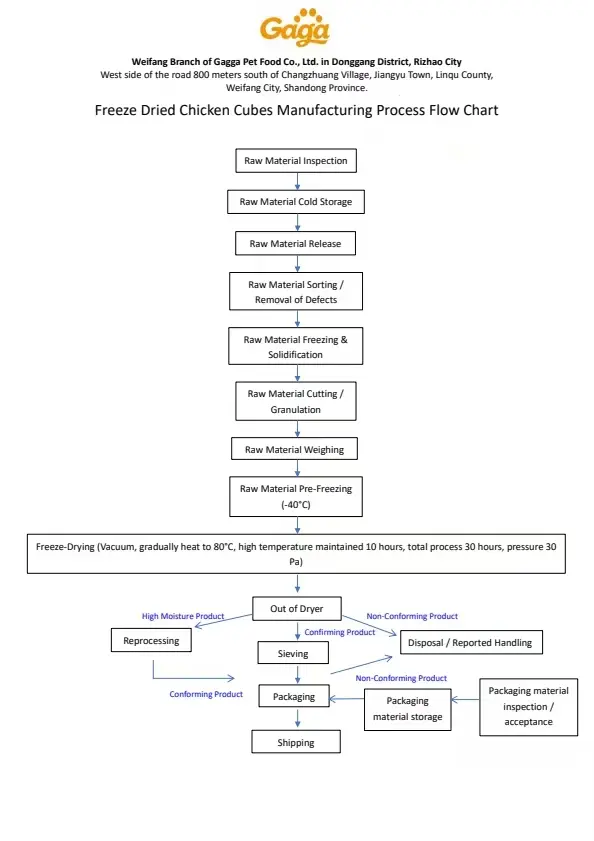
Raw grass-fed beef organs are sliced and quickly frozen to temperatures below -40°C. This rapid phase transition prevents the formation of large ice crystals, protecting cellular membranes from tearing and ensuring the organ pieces retain their natural shape and texture.
Inside sealed vacuum chambers, ambient pressure is reduced to less than 10 Pascals. Under precise thermal adjustments, solid ice crystals directly convert into water vapor, bypassing the liquid state. This prevents heat-induced degradation of delicate nutrients like enzymes and amino acids.
In the final phase, bound water molecules are removed by slightly raising the temperature, reducing the moisture content of the organs to under 3%. This low moisture level naturally halts microbial growth and enzymic activity, ensuring a shelf life of up to 24 months without the need for artificial preservatives.
How GAGA Pet Food structures manufacturing infrastructure to meet high-volume global demands.
Located in Rizhao, Shandong, GAGA Pet Food operates a highly optimized facility featuring 6 advanced vacuum freeze-drying lines with an annual capacity of 2,000 metric tons and a daily output of 4,000 kilograms. As a pure B2B contract manufacturer, we focus entirely on OEM & ODM services and do not market a proprietary brand. This prevents potential conflicts of interest with our global partners.
Our R&D team consists of more than 20 experienced technical experts who develop customized formulas tailored to local market requirements. We support a range of configurations, including:
This manufacturing flexibility is supported by an agile supply chain that can deliver custom product samples within 10 days of specification confirmation.
Assuring market entry through certified quality management, testing protocols, and complete traceability.
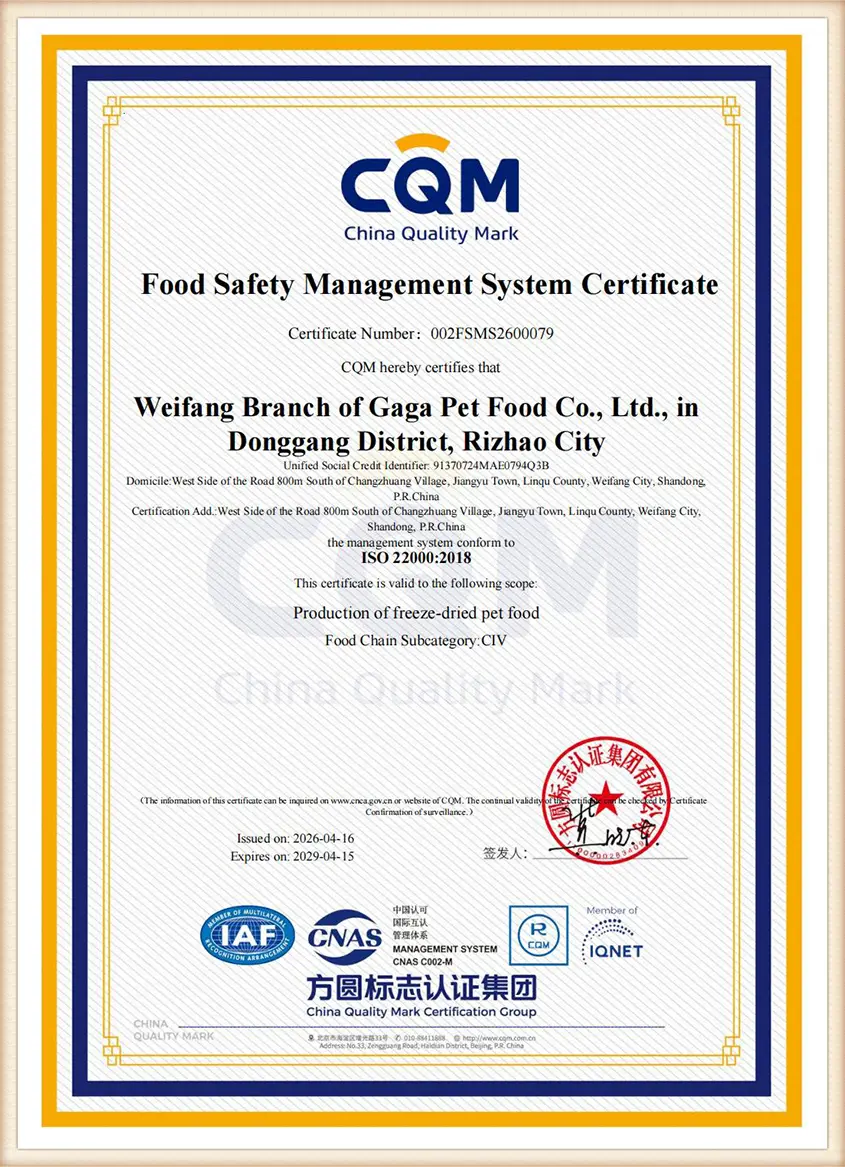
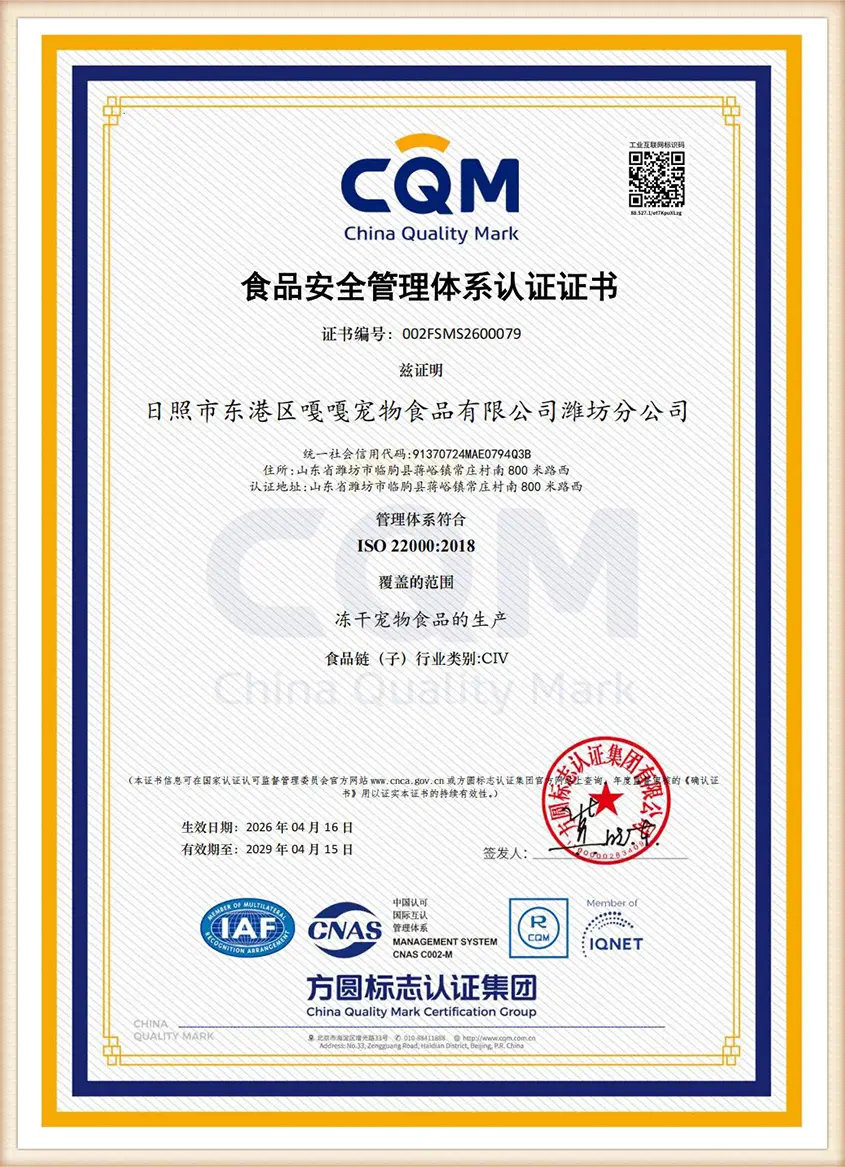
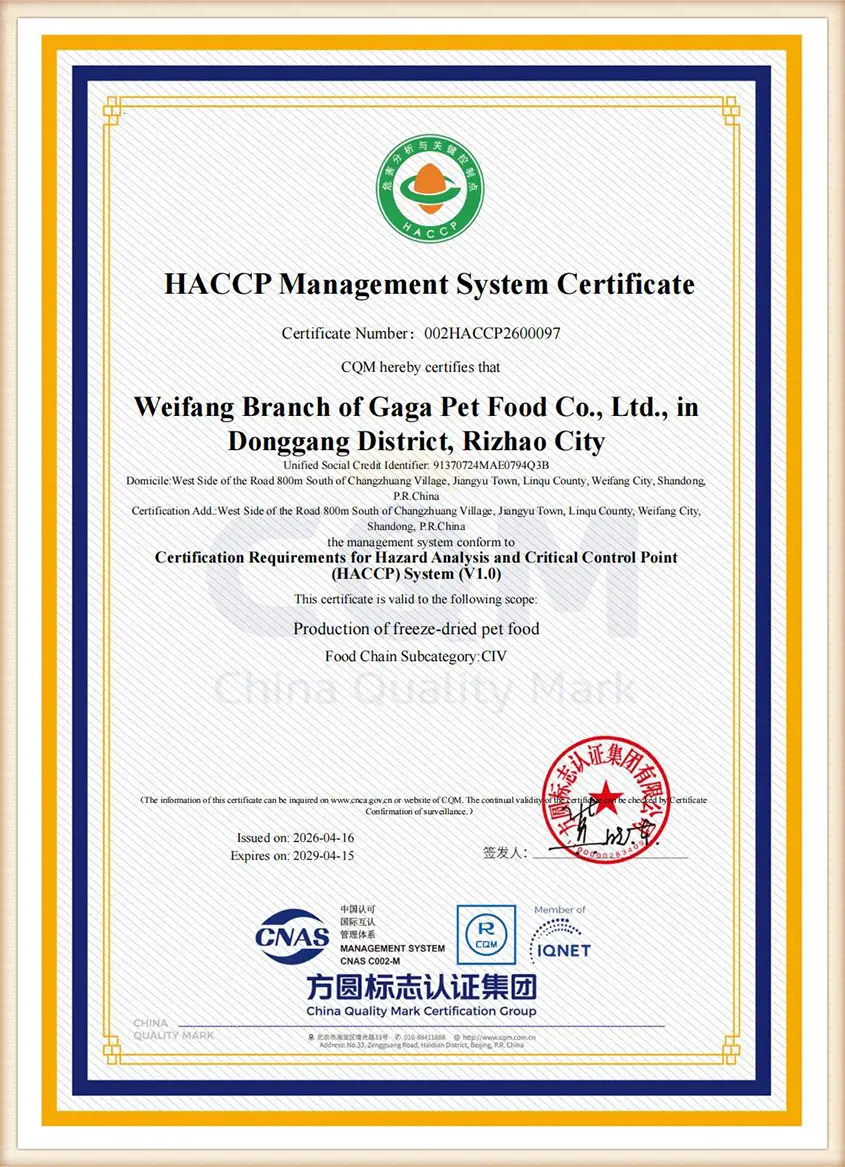
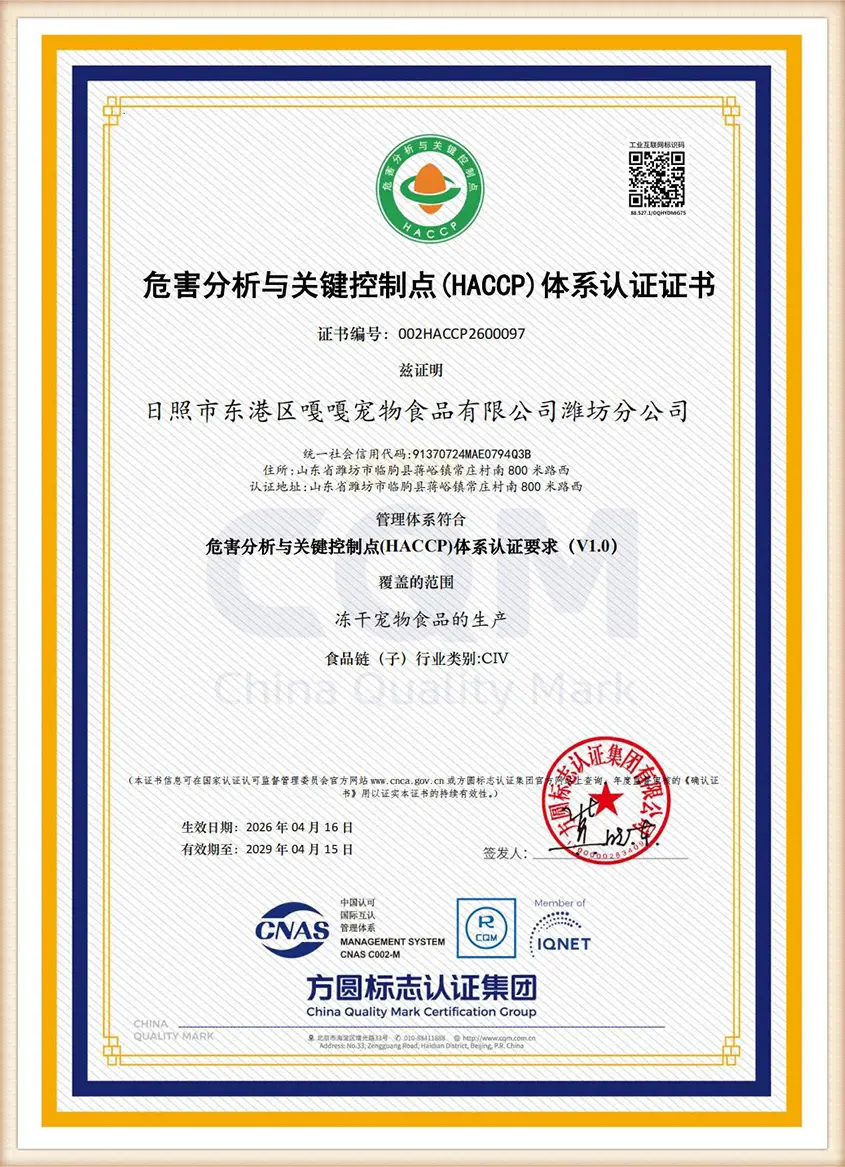
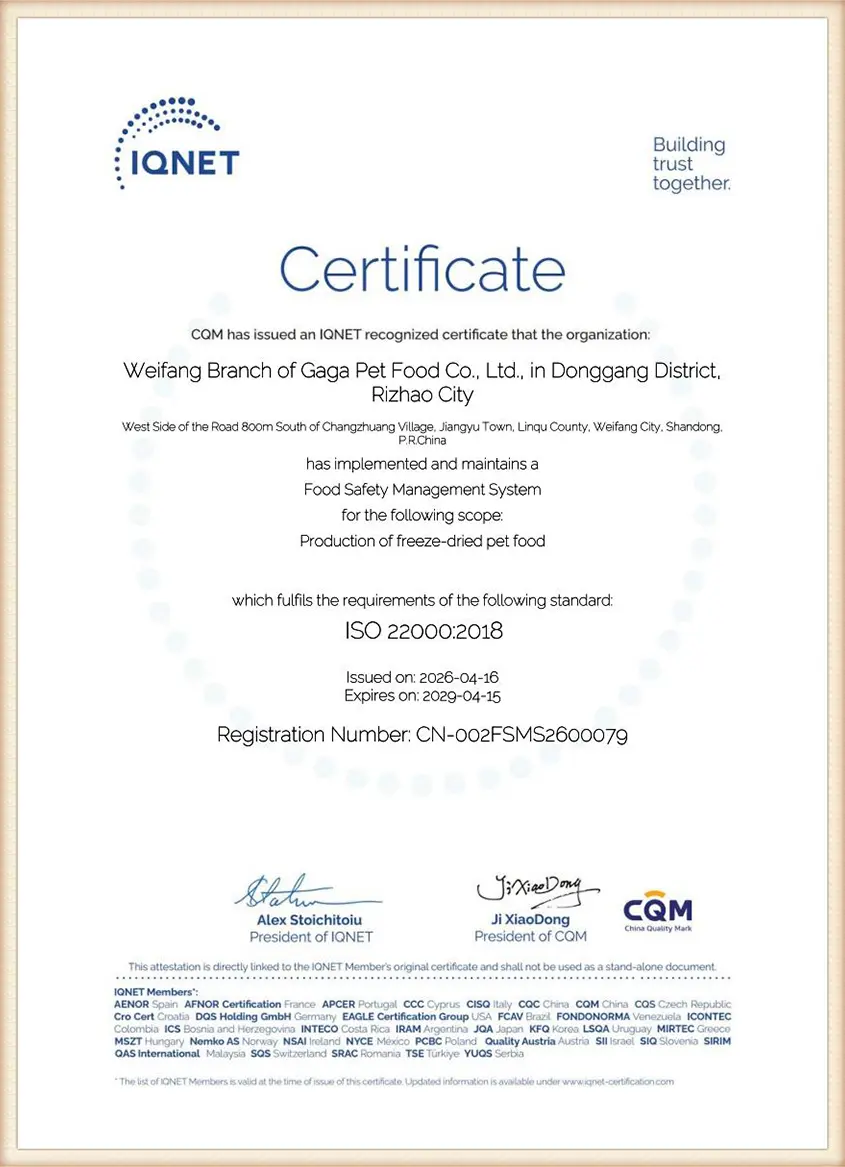
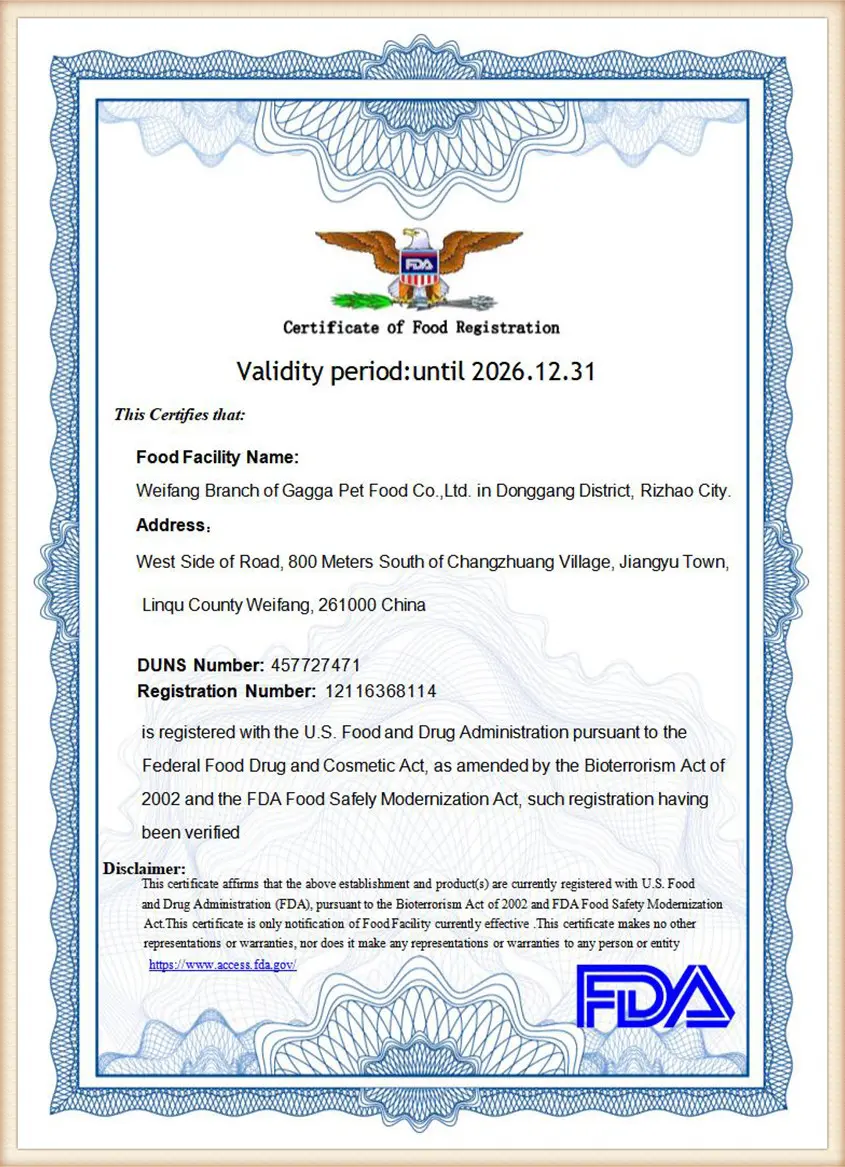
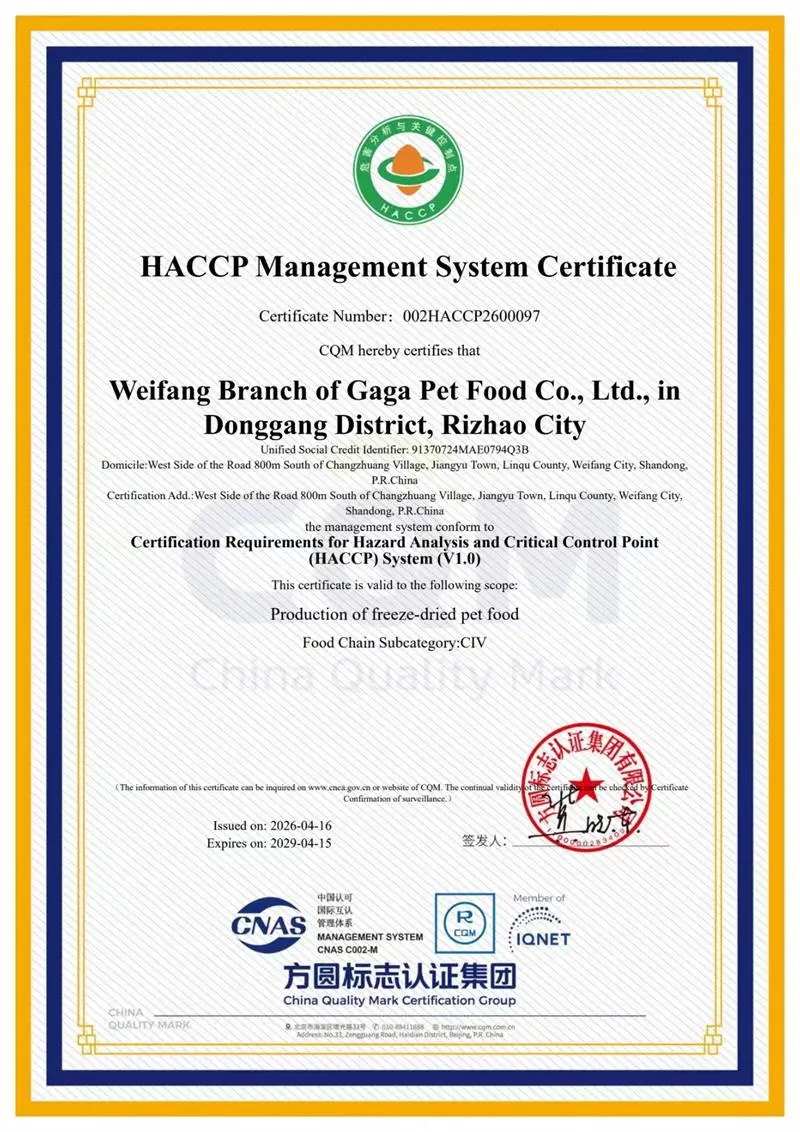
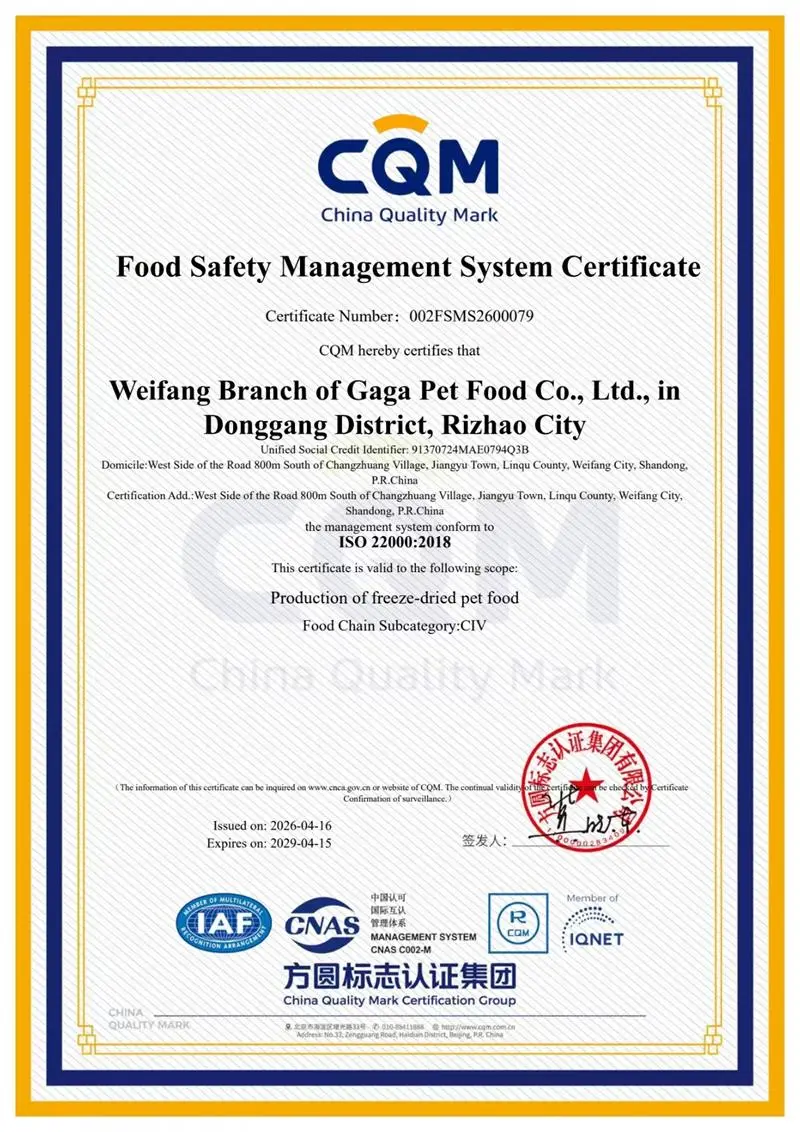
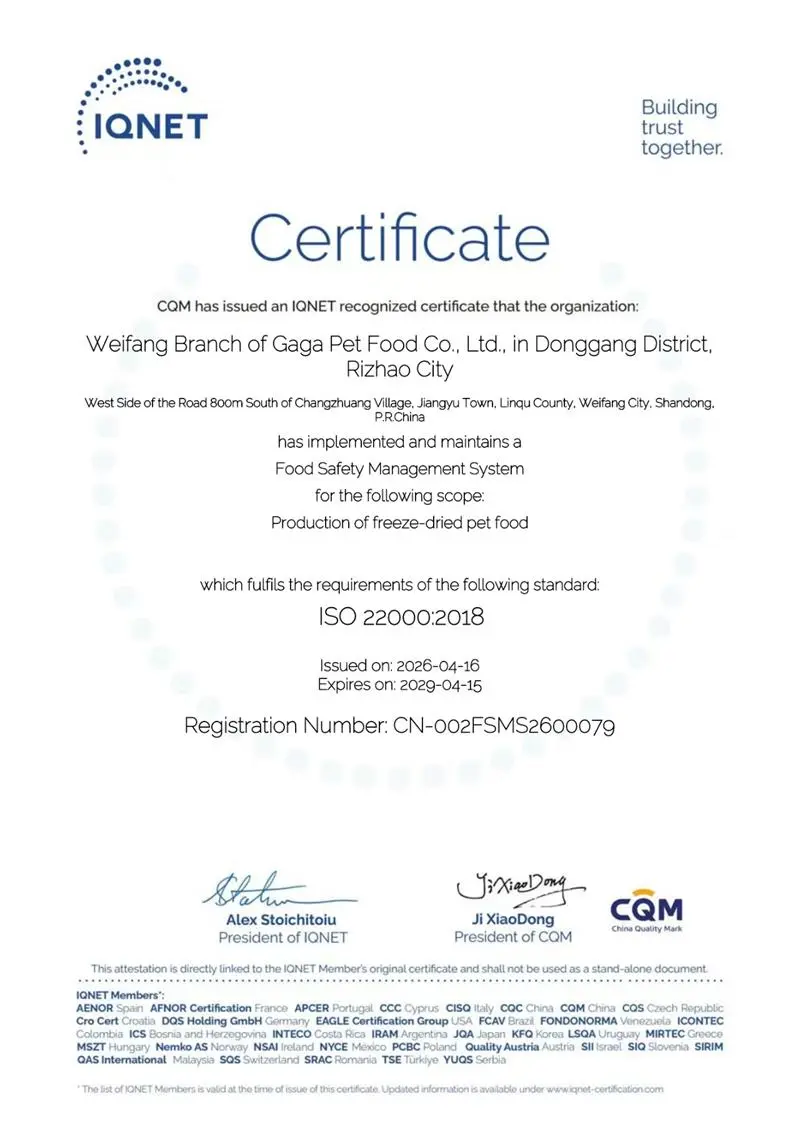
Exporting animal-origin products like beef organs requires strict adherence to regulatory standards to avoid import rejections or custom quarantine issues. Our operations are fully FDA-certified and systematically audited to align with both HACCP and ISO international standards.
For compliance assurance in different regions, we maintain the following protocols:
Additionally, we work with third-party testing laboratories (such as SGS and Intertek) to verify protein content, moisture levels, fat profiles, and the absence of heavy metals or antibiotic residues.
From initial design concept to final custom delivery: a structured, client-focused process.
We clarify product parameters, nutritional targets, regional market regulations, and volume requirements during initial alignment calls.
Our R&D team creates bespoke recipes using selected grass-fed organ ratios and premium natural ingredients.
We assist with selecting and sourcing packaging materials, including stand-up pouches, flat-bottom bags, or high-barrier bulk bags.
We prepare trial batches within 10 days, refining texture, density, and flavor profiles based on partner feedback.
After sample approval, we begin standardized manufacturing under strict HACCP quality controls.
Every production batch undergoes safety and stability testing to ensure full compliance before shipping.
We coordinate sea, air, or rail transport, handling export paperwork for efficient customs clearance.
We provide ongoing technical support, market trend updates, and formula adjustment planning for upcoming product cycles.
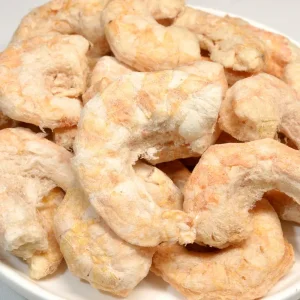
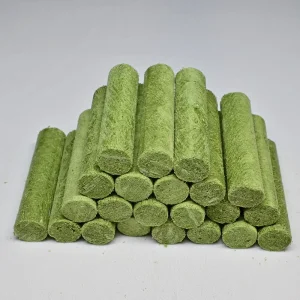
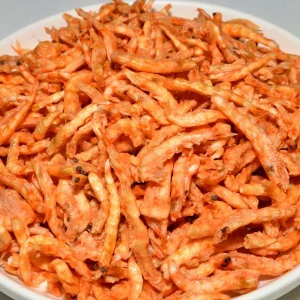
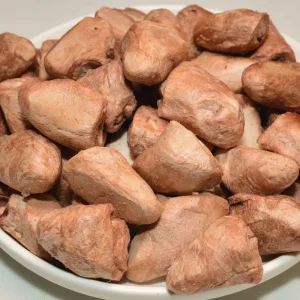
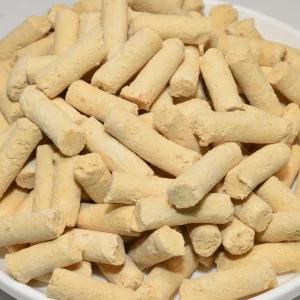
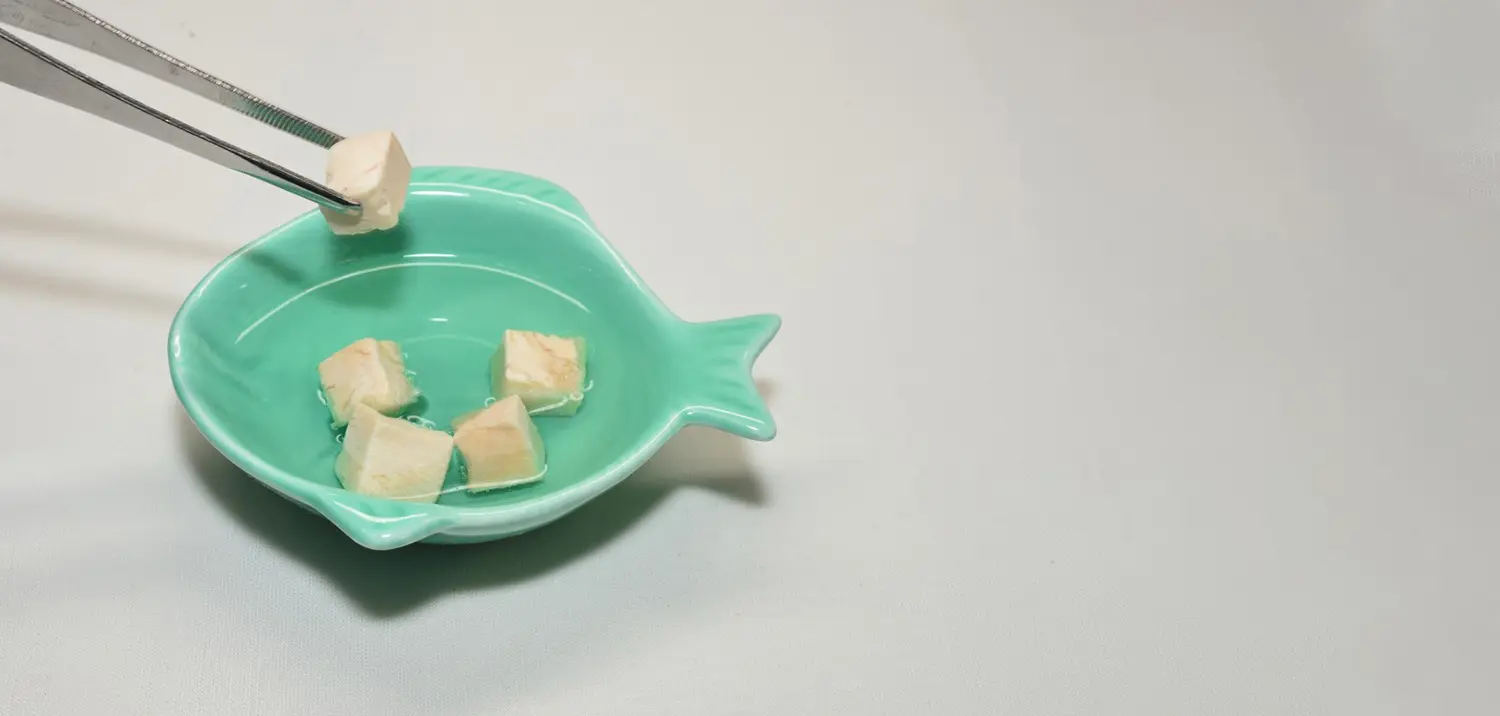
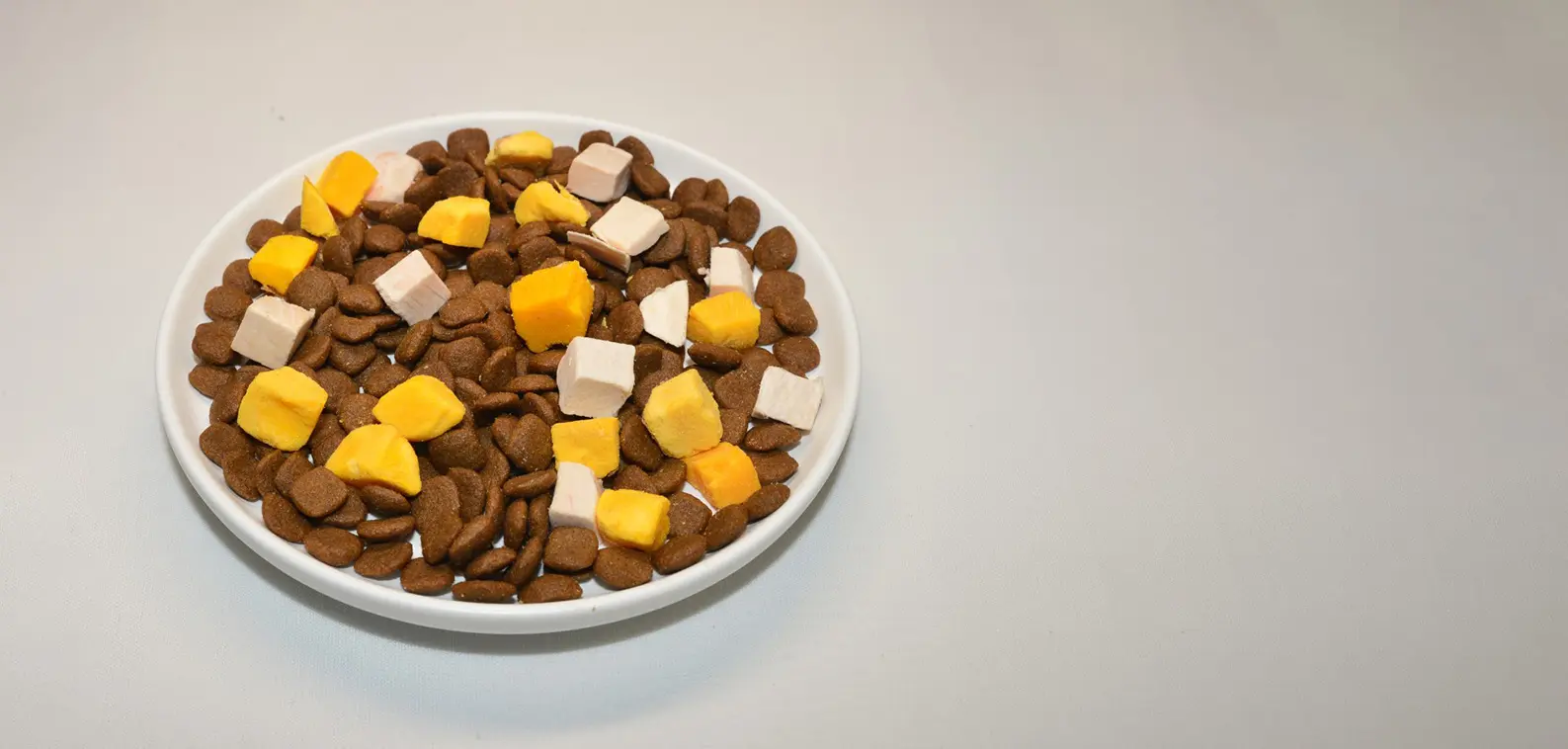
Our production lines support a wide range of product formats. We customize textures and density levels to suit different pet feeding preferences:
Exploring the next generation of freeze-dried manufacturing technologies.
We are currently researching vacuum-assisted encapsulation methods to protect sensitive organ enzymes from stomach acids, ensuring optimal nutrient absorption in the lower digestive tract.
We are upgrading our freeze-drying chambers to incorporate intelligence energy management systems. By optimizing drying temperatures based on real-time sensor feedback, we aim to lower carbon emissions per ton of finished product by 18%.
"By combining sustainable pastoral sourcing with high-efficiency freeze-drying technology, we help global pet brands build cleaner, greener, and more resilient ingredient supply chains."
Addressing core concerns regarding manufacturing, compliance, sourcing, and logistics.
We maintain absolute raw material transparency by partnering with certified veterinary-inspected farms that provide complete origin documentation. Every imported batch from countries like New Zealand or Uruguay is accompanied by its corresponding country-of-origin phytosanitary and grass-fed certification paperwork, which is logged into our ERP system for tracking.
For custom formulation runs, including special shape sizing or proprietary nutrient blends, the standard minimum order quantity (MOQ) is 500 kilograms of finished product. For standard in-stock wholesale items, we support flexible mixed-batch orders to help new brands test the market.
Yes. Although freeze-drying itself is a preservation method, we integrate validated thermal step control profiles during prep and drying, combined with strict raw material screening. Regular post-production testing is conducted on every batch to confirm the absence of Salmonella, E. coli, and Listeria before release.
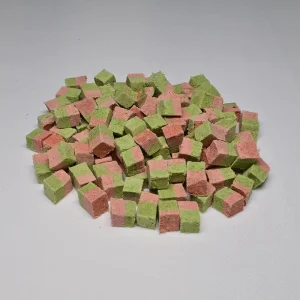
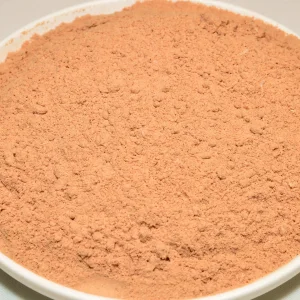
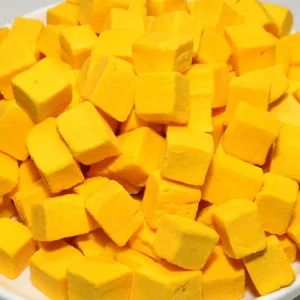
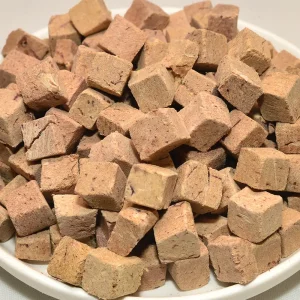
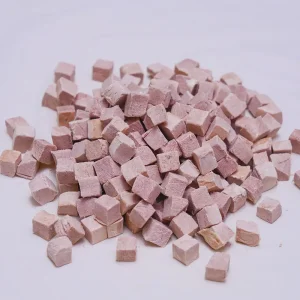
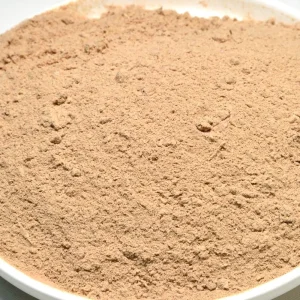
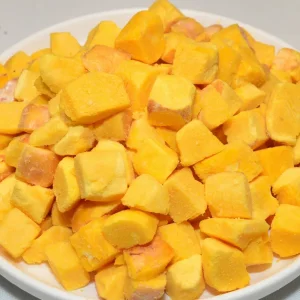
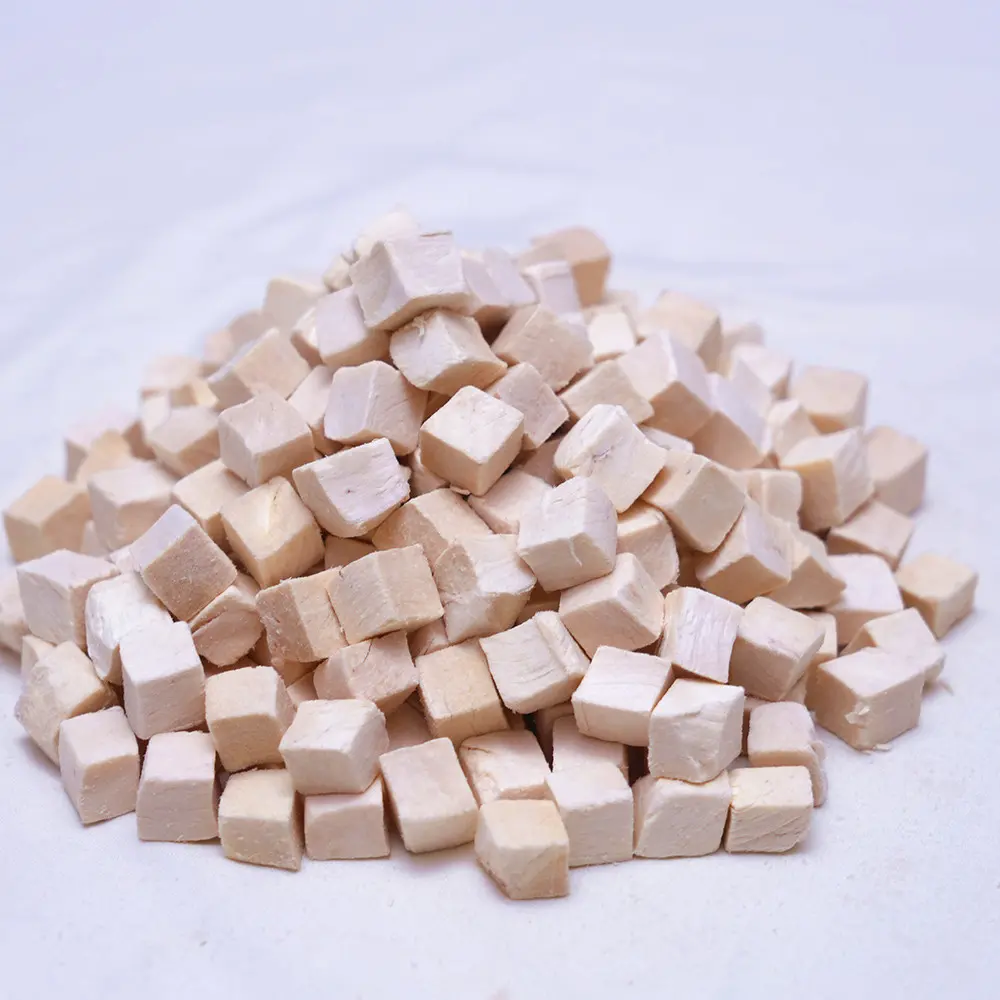
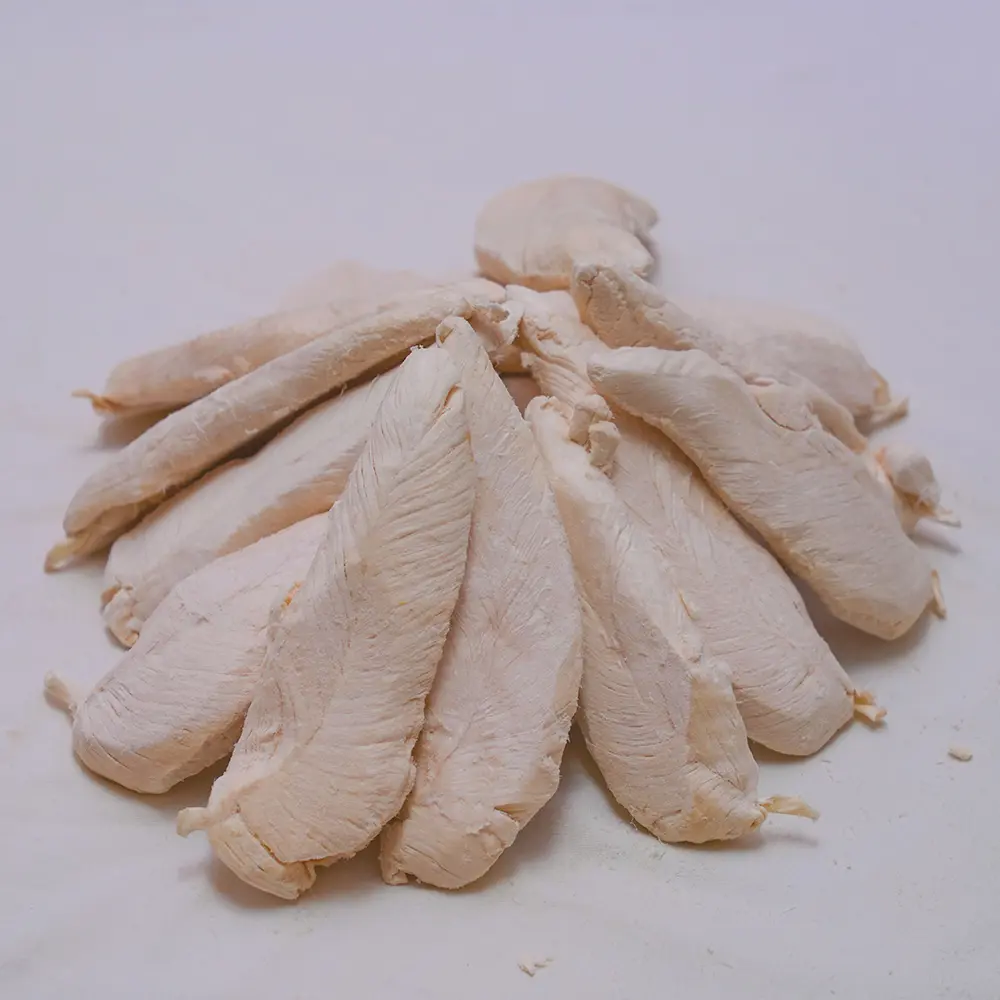
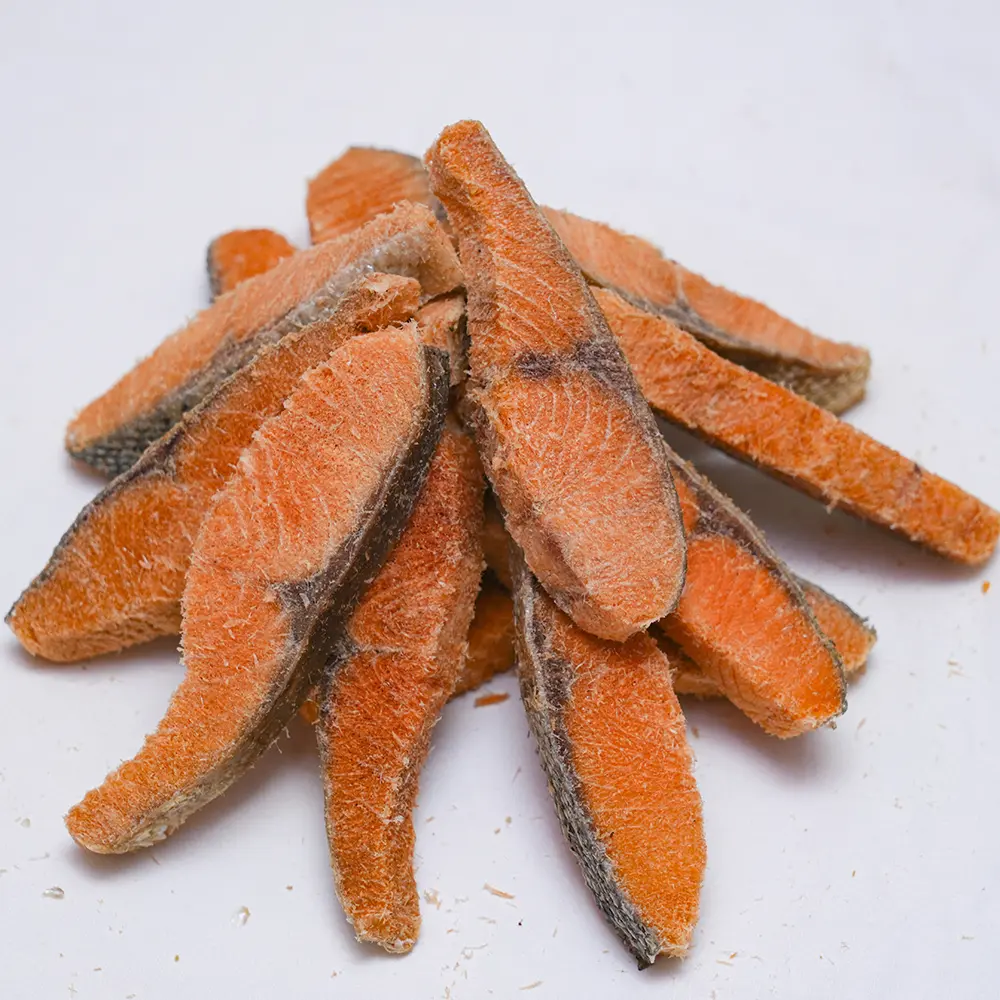
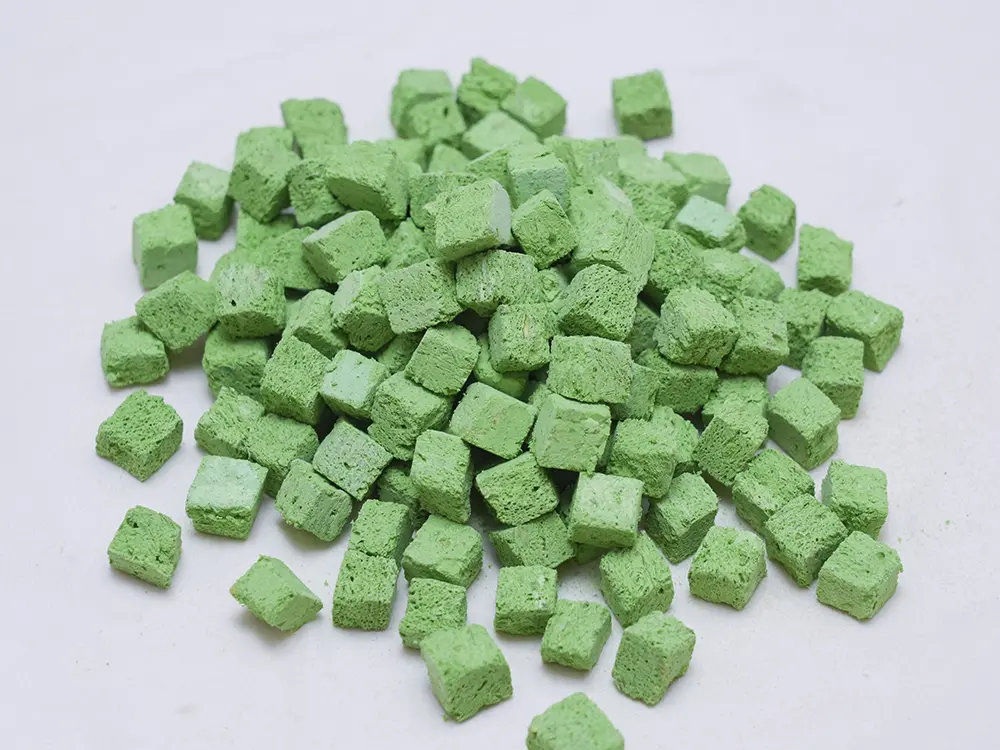
Yes. Our precision slicing equipment can cut freeze-dried organs into cubes (ranging from 5mm to 15mm), flat discs, thin slices, or fine powders, depending on your target application (e.g., training treats, cat food, or meal mixers).
A visual look at GAGA Pet Food's advanced processing equipment, lab testing, and packaging lines.
Bio-Safety Analytical Testing
Advanced Sublimation Control
Clean Raw Preparation Area
Automated Sterile Packaging
Explore our full range of single-ingredient and custom-formulated freeze-dried products.
 GAGA
GAGA