Top 10 Freeze Dried Liver Bulk Suppliers for Global Buyers

Time:2026-09-06 Author:Ethan
0%

Sourcing Freeze Dried Liver Bulk requires more than comparing prices on a supplier website. Global buyers need consistent nutrition, safe processing, and dependable documentation. This guide examines ten established suppliers through practical procurement criteria, including product origin, species identification, drying methods, batch testing, and export experience.

A trustworthy supplier should provide a clear certificate of analysis for every production lot. Buyers should also review moisture levels, microbiological results, heavy metal testing, allergen statements, and shelf-life evidence. Traceability matters too. Packaging should protect the powder from humidity, oxygen, and temperature changes during long-distance transport. Strong suppliers usually explain their quality system instead of offering vague assurances.

Details matter.

The selection also considers minimum order quantities, private-label support, lead times, and communication quality. However, no supplier ranking can fit every market. A small importer may prefer flexible packaging, while a manufacturer may require pallet-scale consistency. Some online claims remain difficult to verify without an audit, sample review, or independent laboratory check. That limitation deserves attention.

This overview is designed to help buyers ask better questions before signing a contract. It does not replace local regulatory review or professional quality assessment. Each supplier should be evaluated against the destination country’s requirements, intended application, and internal risk controls. Reliable purchasing is rarely about finding the cheapest option. It is about reducing surprises from the first sample to the final shipment.
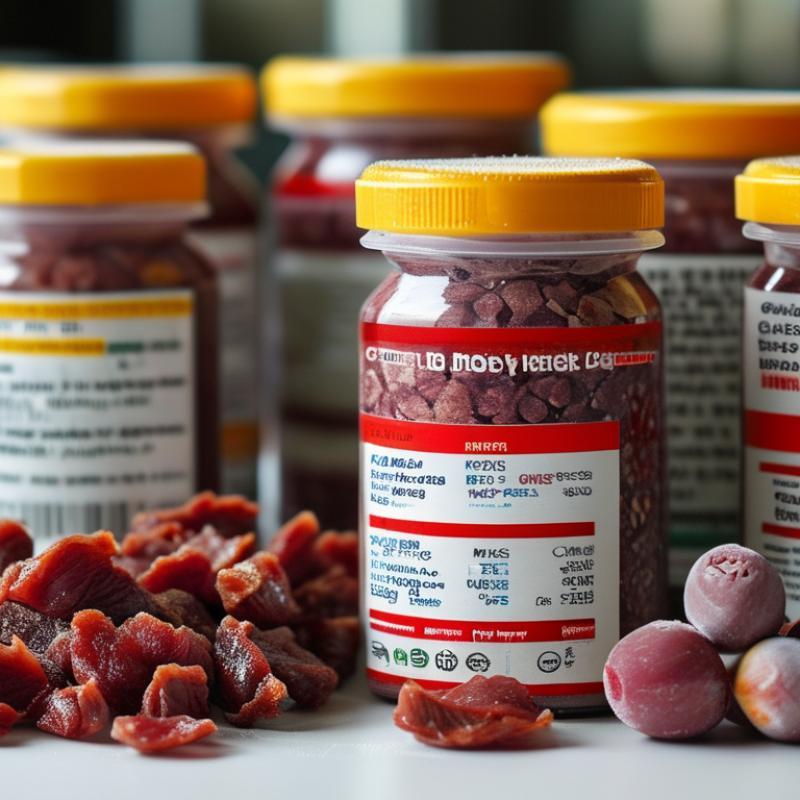
Top 10 Freeze Dried Liver Bulk Suppliers for Global Buyers

What Freeze-Dried Liver Is and Why Global Buyers Purchase It

Freeze-dried liver is fresh animal liver processed under low-temperature vacuum conditions. Water is removed without normal cooking heat. This helps preserve its compact structure, flavor, and naturally occurring nutrients. The result is a light, dry ingredient that can be stored and transported efficiently. It is not raw, and it is not automatically a complete nutritional product. That distinction matters.

Global buyers purchase it for human supplements, functional food, and carefully formulated pet nutrition products. Its low moisture content can reduce shipping weight and simplify warehouse handling. A small pouch may contain the equivalent of much more fresh liver. Bulk purchasers also value consistent particle size, packaging options, and predictable supply. However, convenience can create overconfidence. Freeze-drying does not replace testing, hygiene controls, or responsible labeling.

Reliable sourcing requires documented animal origin, processing records, microbial testing, and checks for heavy metals or other contaminants. Buyers should review certificates, shelf-life data, storage instructions, and import requirements before placing large orders. Moisture-proof bags and sealed cartons matter in humid ports. A low quotation may conceal weak traceability or unstable quality. In practical procurement, samples should be compared for color, smell, texture, and test results. The process is efficient, but it is not perfect. A careful buyer still asks difficult questions.

Key Criteria for Evaluating Bulk Liver Suppliers

Bulk freeze-dried liver sourcing requires more than comparing prices. Experienced buyers examine ingredient origin, processing controls, and batch consistency. Ask for a current certificate of analysis for every production lot. It should show moisture, protein, microbiological results, and heavy-metal testing. Results should match the actual batch, not a generic product sheet. A low moisture level matters because it supports shelf stability and reduces spoilage risk.

Traceability deserves close attention. Reliable suppliers should identify the farm or approved source, processing date, lot number, and packaging site. Request sample labels, export documents, allergen statements, and storage instructions before placing a large order. Packaging should resist humidity and include tamper-evident protection. Check whether cartons remain intact after simulated transport. Small details often reveal weak quality systems.

Supplier evaluation should also cover minimum order quantities, production capacity, lead times, payment terms, and replacement procedures. Ask how deviations are investigated and how customer complaints are recorded. A supplier that answers vaguely may create problems during customs clearance or routine testing. Independent laboratory verification can protect buyers, although it adds cost and time. No supplier is perfect. Even strong documentation may miss a processing inconsistency. A retained sample from each lot helps buyers compare color, odor, texture, and laboratory results over time. Clear communication matters when specifications change. Consistency matters more than impressive promises.

Top 10 Freeze Dried Liver Bulk Suppliers for Global Buyers - Key Criteria for Evaluating Bulk Liver Suppliers

Anonymous market-benchmark comparison. Figures are indicative purchasing ranges for bulk freeze-dried animal liver and must be verified directly through current specifications, audits, certificates, and quotations.

Rank Supplier Profile Typical Supply Region Product Format Typical MOQ Indicative Lead Time Quality Documentation to Request Packaging and Logistics Best Fit Benchmark Score
1 Profile A North America Whole liver pieces Fine powder 100–250 kg 4–8 weeks Certificate of analysis, pathogen panel, heavy-metal testing, allergen statement, traceability records Moisture-barrier bags in fiber drums or cartons; air and ocean freight options Dietary supplement manufacturers 9.2
2 Profile B Western Europe Powder Granules 250–500 kg 5–9 weeks HACCP or GFSI-based food-safety documentation, veterinary records, microbiological results, batch release data Food-grade lined bags; palletized export cartons; strong EU documentation support Premium food and nutraceutical applications 9.0
3 Profile C Australia and New Zealand Whole organ Coarse powder 100–300 kg 6–10 weeks Country-of-origin statement, animal-health declaration, batch COA, microbiological testing, storage validation Vacuum-sealed inner bags with cartons or drums; temperature-controlled storage recommended Origin-sensitive buyers 8.9
4 Profile D South America Powder Private-label bulk 500–1,000 kg 6–12 weeks Export health certificate, production flow chart, contaminant testing, lot traceability, packaging specification Cost-efficient ocean freight; standard export cartons and lined sacks High-volume buyers 8.5
5 Profile E East Asia Fine powder Custom mesh size 100–500 kg 4–8 weeks COA, pesticide and heavy-metal results, microbiological panel, allergen statement, manufacturing questionnaire Flexible packaging options; air freight available for urgent smaller consignments Formulation flexibility 8.4
6 Profile F Southeast Asia Powder Capsule-grade material 250–750 kg 5–10 weeks GMP-related controls, sanitation records, pathogen testing, moisture analysis, stability or shelf-life data Foil-lined bags in cartons; humidity protection is important during storage and transit Cost-conscious supplement brands 8.2
7 Profile G Central and Eastern Europe Granulated liver Powder 300–600 kg 6–10 weeks Food-safety plan, veterinary documentation, allergen control, microbiological results, recall procedure EU-compatible labeling support; palletized road and ocean export options European distribution 8.1
8 Profile H North Asia Low-temperature powder Custom blend 100–300 kg 5–9 weeks Process parameters, moisture and water-activity results, heavy-metal testing, batch coding, sample retention policy Small-batch packaging available; suitable for consolidated international shipments Specialty formulations 8.0
9 Profile I Middle East and Mediterranean Powder Halal-oriented supply 250–500 kg 7–12 weeks Origin documentation, animal-species declaration, applicable religious-compliance certificate, COA, pathogen testing Export cartons with moisture barrier; confirm port handling and customs requirements in advance Regional and halal-focused buyers 7.8
10 Profile J Multi-origin trading and consolidation network Powder Mixed specifications 50–150 kg 3–7 weeks, subject to stock Supplier-specific COA, origin verification, batch traceability, independent laboratory testing, storage records Flexible shipment sizes; verify whether the product is stocked or produced to order Trial orders and smaller buyers 7.6

Top Freeze-Dried Liver Suppliers by Product and Market Strength

Top 10 Freeze Dried Liver Bulk Suppliers for Global Buyers

Top Freeze-Dried Liver Suppliers by Product and Market Strength

Bulk suppliers differ sharply by product focus. Human nutrition processors usually offer fine powder, capsules, or measured granules. Pet nutrition suppliers often provide larger cubes, flakes, and single-protein formats. Ingredient processors may support industrial blending, but their minimum order quantities can be high. This matters for global buyers. Grand View Research estimated the global freeze-dried food market at about USD 2.5 billion in 2023, with strong growth expected through 2030. The figure is broad, not liver-specific, so it should not guide purchasing alone.

Market strength is better judged through evidence. Check batch-level certificates, moisture results, microbiological testing, origin records, and production capacity. USDA FoodData Central shows that liver nutrient values can vary by animal source and preparation method. Therefore, suppliers should provide consistent specifications for vitamin A, iron, protein, and moisture. A supplier with multiple export markets may offer stronger documentation, but global reach does not always mean better quality. That assumption needs review.

Tips: Request a recent certificate of analysis, not a template. Compare water activity, particle size, packaging, and shelf-life data. Ask whether testing covers each batch or only periodic production. Confirm cold-chain handling before processing and dry storage after packing. The weakest point is often traceability, especially when several traders stand between the farm and buyer. Small trial orders can reveal odor, color, texture, and rehydration performance before full-scale purchasing.

Quality, Safety, Certifications, and Regulatory Compliance

For global buyers, a top-ten freeze-dried liver supplier shortlist should begin with documented controls, not attractive packaging.

WHO estimates that contaminated food causes 600 million illnesses and 420,000 deaths annually worldwide. That figure makes supplier verification practical, not ceremonial. Ask for HACCP records, ISO 22000 or equivalent certification, recent audit findings, and batch-specific certificates of analysis. The certificate must match the shipment’s lot number.

Look closely.

Testing should cover Salmonella, Listeria, pathogenic E. coli, heavy metals, pesticides, moisture, and water activity. Freeze-drying reduces moisture, but it does not sterilize raw material. Codex General Principles of Food Hygiene, CXC 1-1969, supports hazard analysis, validated controls, and traceability throughout the food chain. For animal-derived ingredients, responsible suppliers should provide species identification, origin records, veterinary documentation, and export eligibility evidence. Requirements differ between markets, so a copied compliance folder is not enough.

A supplier’s quality system also needs recall readiness. FDA preventive-control rules require covered facilities to identify hazards and manage preventive controls, while GMP expectations support sanitation, personnel training, and controlled storage. In practice, request a traceability exercise from finished powder back to the farm or approved processor. Some suppliers provide polished reports but slow answers. That is a warning sign. I would not treat a perfect COA as perfect assurance; independent verification and occasional retesting remain necessary. Mistakes happen, especially across borders. Reliable partners show how they correct them.

Ordering, Pricing, Packaging, and International Shipping Considerations

Top 10 Freeze Dried Liver Bulk Suppliers for Global Buyers

Bulk buyers should compare more than the quoted kilogram price. Grand View Research estimates the global freeze-dried food market will grow at about 8% annually through 2030. That growth increases supplier competition, but quality varies. Request recent certificates of analysis, moisture results, microbiological testing, traceability records, and production dates. Pricing usually reflects liver origin, freeze-drying yield, order volume, packaging, testing, and Incoterms. A low offer may exclude export documents or port charges. Ask for a landed-cost estimate.

Packaging affects both shelf life and freight efficiency. Typical options include vacuum-sealed bags, foil-laminate pouches, and lined cartons. Specify net weight, oxygen absorbers, batch codes, storage conditions, and pallet dimensions. IATA cargo guidance stresses accurate handling information for air shipments, while Codex food-hygiene principles support documented hazard controls. For animal-origin products, confirm import permits, veterinary certificates, customs classification, and destination-country labeling rules before payment. Delays are expensive. Sometimes, painfully so.

Tips: Compare at least three written quotations. Check whether prices use EXW, FOB, CIF, or DDP terms. Request a retention sample from each shortlisted supplier. Measure its odor, texture, color, and rehydration performance. Review reports from recognized laboratories, not only internal spreadsheets. The International Trade Centre recommends careful market and trade-data analysis; buyers can also verify shipment patterns through UN Comtrade records. One practical weakness remains: published data may not reflect current freight rates or seasonal supply. Recheck everything before signing.

Freeze-Dried Liver Bulk Procurement Benchmarks

The chart shows commonly used planning ranges for international bulk procurement. Actual minimum order quantities, lead times, shelf life, and carton weights vary by product specification, certification, destination market, customs requirements, and shipping terms.

FAQS

: What documents should buyers request from a bulk freeze-dried liver supplier?

: Request a current certificate of analysis for each production lot. It should include moisture, protein, microbiological, and heavy-metal results. Also request origin records, export documents, allergen statements, and storage instructions.

Why is batch-specific testing important?

A generic product sheet may not represent the shipped material. Batch-specific results show actual moisture, nutrients, and microbiological conditions. Still, documents can miss occasional processing problems.

How can buyers check product traceability?

Ask for the approved source, processing date, lot number, and packaging site. These details should match the labels and shipping documents. Traceability should be tested, not simply promised.

What packaging features help protect freeze-dried liver?

Use moisture-resistant bags, foil-laminate pouches, or lined cartons. Packaging should include batch codes, net weight, storage conditions, and tamper evidence. Check cartons after simulated transport.

How should buyers compare supplier prices?

Compare more than the quoted price per kilogram. Review testing costs, packaging, freight, export documents, and payment terms. Ask for a landed-cost estimate. Cheap offers can become expensive later.

What product differences should global buyers consider?

Powder, granules, cubes, and flakes serve different applications. Human nutrition products often use fine formats. Pet nutrition products may use larger pieces. Industrial formats can require higher minimum orders.

Should buyers place a trial order before purchasing in bulk?

Yes, a small order can reveal practical quality issues. Check odor, color, texture, particle size, and rehydration performance. Keep a retained sample for later comparison. Small tests are not perfect.

What shipping and import details require attention?

Confirm delivery terms, pallet dimensions, storage conditions, and handling instructions. For animal-origin products, verify permits, veterinary documents, classification, and destination labeling rules. Rules differ by country. Recheck them before payment.

How can buyers evaluate supplier reliability beyond product quality?

Ask about production capacity, lead times, complaint records, and replacement procedures. Ask how deviations are investigated. Vague answers may signal weak systems. Communication matters when specifications change.

Conclusion

This guide explains what Freeze Dried Liver Bulk is, how it is produced, and why international buyers choose it for supplements, functional foods, pet nutrition, and specialty ingredient applications. It highlights the advantages of freeze-drying, including reduced moisture, extended shelf life, concentrated nutrients, and easier storage and transport. Buyers will also learn how to compare suppliers based on product origin, processing methods, ingredient specifications, testing procedures, production capacity, communication, and reliability.

The article also reviews key considerations for quality, safety, certifications, traceability, and compliance with the regulations of the destination market. It outlines practical factors such as minimum order quantities, pricing structures, packaging formats, private labeling options, payment terms, shipping conditions, customs documentation, and temperature or moisture protection during transit. By using these criteria, global purchasers can identify suitable suppliers, reduce sourcing risks, and build a stable, transparent, and efficient supply chain for freeze-dried liver products.

Ethan

Ethan

Ethan is a seasoned marketing professional with a deep expertise in our company's innovative product line. With a passion for sharing knowledge and insights, he takes the lead in regularly updating our corporate blog, where he explores industry trends, product features, and effective marketing......